Manteca, CA
Garage Door Repair for Manteca Homes
Broken springs and stuck doors on Manteca's 1960s-70s housing stock. We fix torsion and extension spring failures fast, with parts for original hardware.
The Symptom
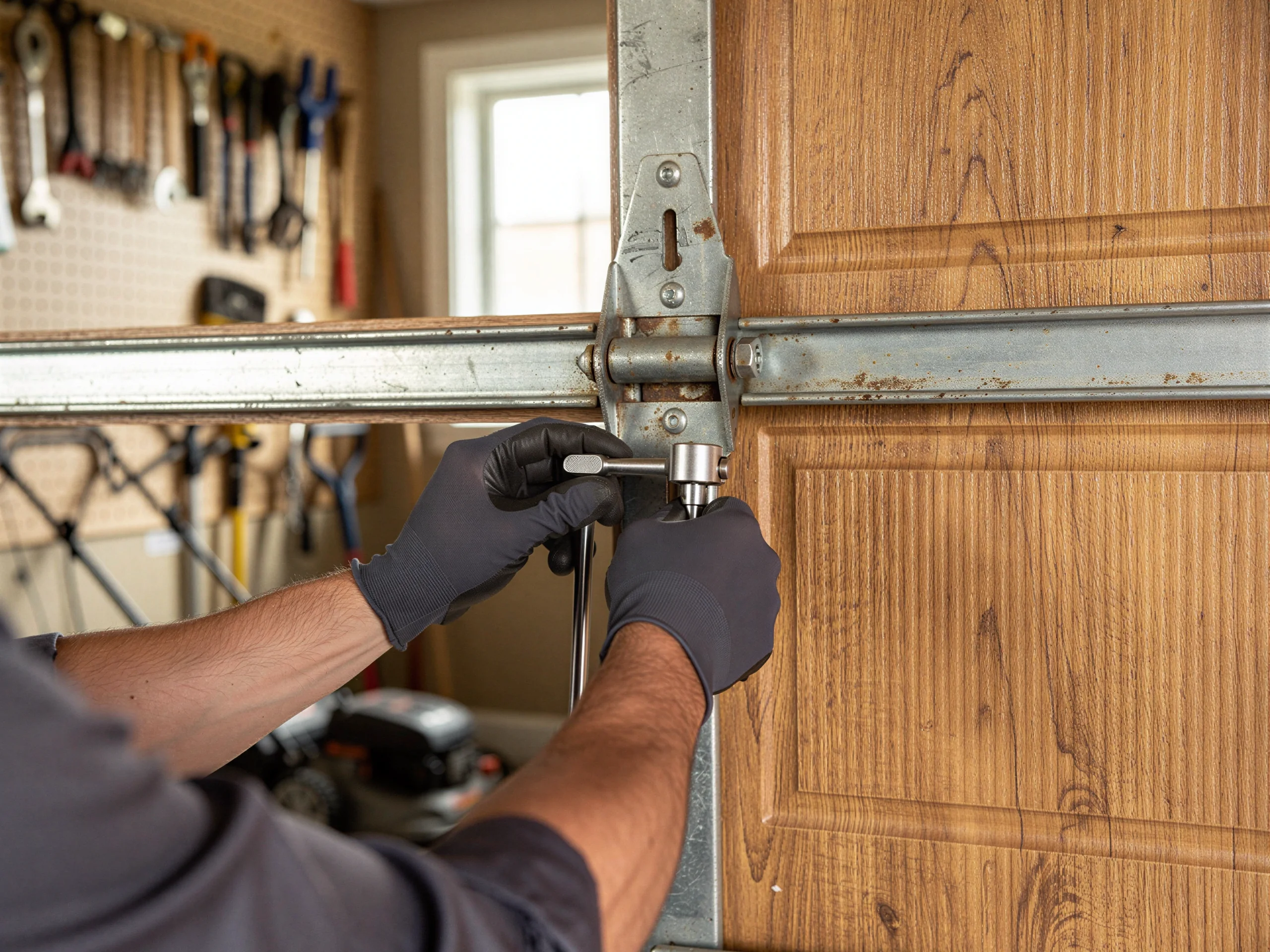
The door won't budge, or it drops the last foot and slams. Sometimes it's a loud bang from the garage followed by a door that won't lift at all - that's a torsion spring letting go.
Opener straining, door creeping
Other times the opener strains, grinds, and the door creeps up an inch before stopping. Both point to the same root problem: spring tension that's gone, either snapped clean or wound down from decades of cycling. Manteca's housing runs from 1938 up through 2010, but the bulk of what's out there went up in the 1960s and 70s across the named areas in this service area.
Decades-old springs past cycles
That means a lot of original torsion hardware is now 50 to 60 years old, well past the rated cycle count on the spring, even if nobody ever touched it. When a spring that old finally fails, it usually doesn't give a warning - it just goes, often on the coldest or hottest stretch of the year when the steel has the least give left in it.
Frayed cable on one side
If your door is still moving but sounds rough, or one side sags lower than the other, that's usually a cable starting to fray rather than a full spring break. Either way, don't force the opener past a stuck door - that's how you burn out the motor on top of the spring problem.
What the Repair Takes
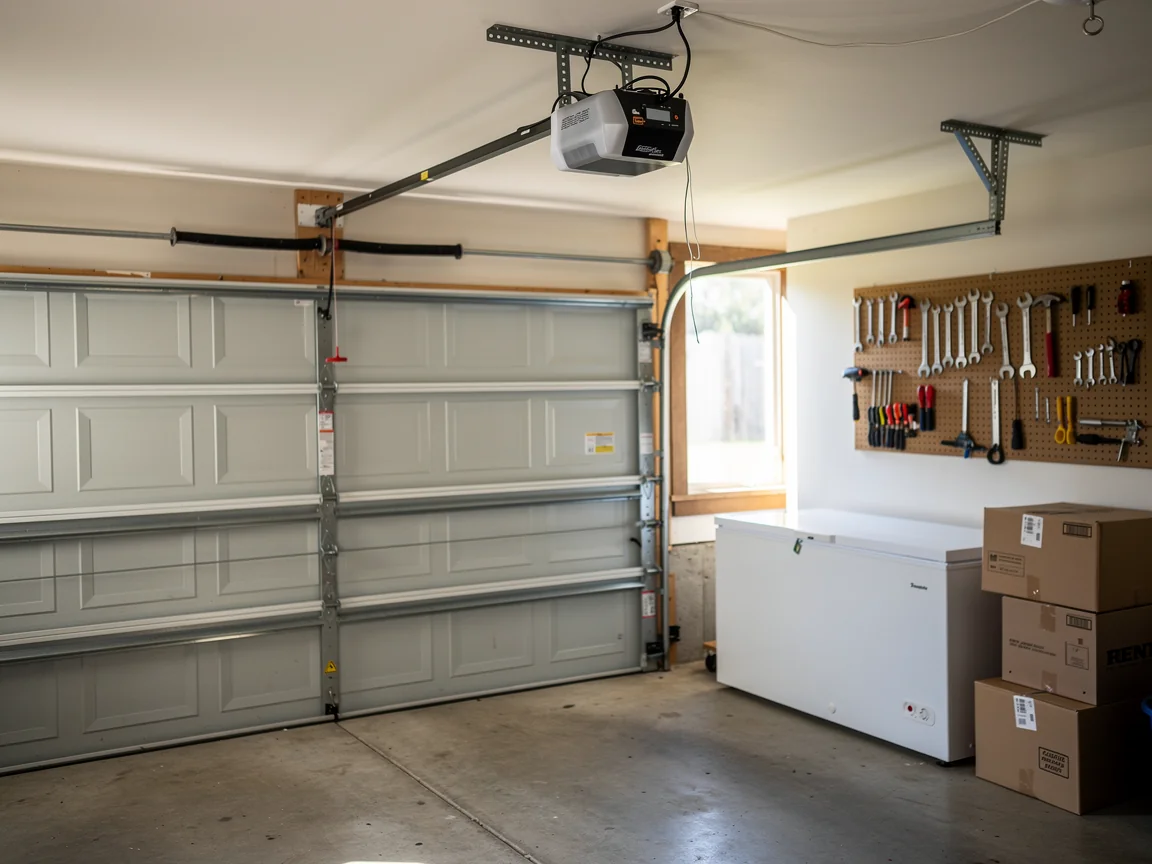
A straight torsion spring swap on a single door is a same-visit job once we've confirmed the size and wind - we measure the wire gauge, coil diameter, and door weight on site rather than guess.
Both springs swapped together
Double doors with two springs take a bit longer since both get replaced together, even if only one broke, because the other one is carrying the same age and the same wear. Where it slows down: homes with the older original hardware sometimes have spring sizes or drum configurations that newer production doors don't use anymore.
Special-order spring for 1968
If your door dates back toward that 1968 median build year and still has its first set of hardware, we may need to special-order a matching spring rather than pull one off the truck. That's the honest limitation here - we carry the common modern sizes, but a true original-era setup can mean a short wait on parts.
Quicker cable replacement
Cable replacement, when that's the actual failure instead of the spring, is usually quicker - new cable, check the drums for grooving, make sure the track is still plumb. We always inspect the opposite side's cable and spring at the same time, since if one went from age, the other is on the same clock.
What Causes It Around Here
Heat is the quiet factor. Manteca sits in a moderate heat climate band, and that means real temperature swings across the year - steel springs expand and contract with every hot afternoon and cool night, and that cycling is what fatigues the metal over time, independent of how many times the door actually opens. A spring doesn't need heavy use to wear out; it just needs years of that thermal flex, and most of this area's doors have had 50-plus years of it.
The second factor is the housing stock itself. With most homes across the 19 named areas in this service area dating to the 1960s and 70s, a large share of garages still have their first or second generation of hardware. Original torsion setups from that era weren't built to today's cycle ratings, and extension springs from the same period are often well past safe tension even if they look intact.
We also see cable wear accelerate on doors that sat with slightly sagging springs for a while before failing outright - the extra strain shifts to the cables and rollers, so a spring problem left alone for a season often becomes a two-part repair instead of one.
What Is on the Truck
We stock torsion springs in the wire gauges and coil sizes that fit the bulk of single and double doors built across this service area's 1960s-70s housing - the sizes we replace most often, not a universal grab bag.
Stocked cables, pulleys, rollers
Alongside those: galvanized lift cables, sheave pulleys, and both standard and heavy-duty rollers, since door weight varies a lot between the older original panels and newer replacements homeowners have put in over the years. We also carry drums, end bearing plates, and the fasteners that tend to strip out on older jambs.
Opener parts carried along
For openers, we keep common limit switches and belt/chain parts for the units that fail alongside a spring - when the motor has been straining against a weak spring for weeks, something in the opener often needs attention too.
Commercial springs special-ordered
What we don't carry on the truck: spring sizes for custom or commercial-grade doors outside the standard residential range, and some original hardware from homes built right at that 1938-1968 end of the range. Those get special-ordered rather than improvised, because a mismatched spring is a safety problem, not a shortcut.
Questions
Common questions
Why did my garage door spring snap with no warning?
Torsion springs fail from metal fatigue that builds up over years of temperature cycling, not from a single event. In this area, where a lot of the housing dates to the 1960s and 70s, springs are often decades past their rated life before they finally let go, which is why the break feels sudden even though the wear was gradual.
Can you match the spring on an older Manteca home?
Usually, yes - we measure wire gauge, coil size, and wind direction on site. If your home has its original hardware from the 1960s or earlier, the exact size sometimes needs to be special-ordered rather than pulled off the truck, since some older configurations aren't common in current production.
Is it ever not worth fixing the spring?
If the door, track, and opener are all original and failing together, replacing just the spring can mean you're back out for the next failing part within a year or two. We'll tell you straight if the bigger-picture cost makes more sense than another one-off repair.
Do you serve areas outside Manteca itself?
We work across the surrounding service area, including Lathrop, French Camp, Ripon, Kennedy, Salida, and the other nearby communities within roughly 20 miles of Manteca.
Explore more
Explore More Services In Manteca, CA
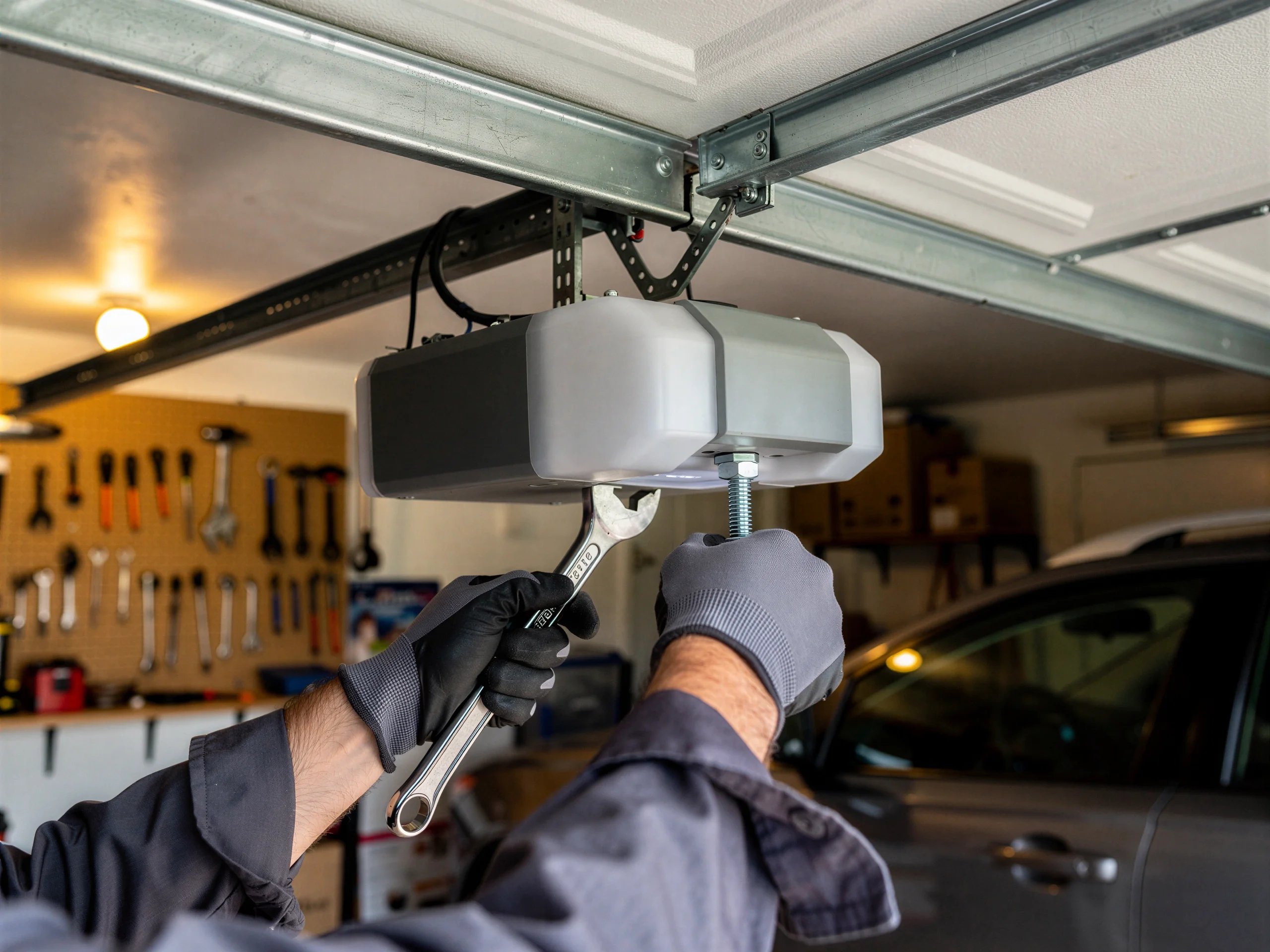
Opener Installation in Manteca, CA
Opener installation for Manteca, CA homes built mostly in the 1960s and 70s. Learn more →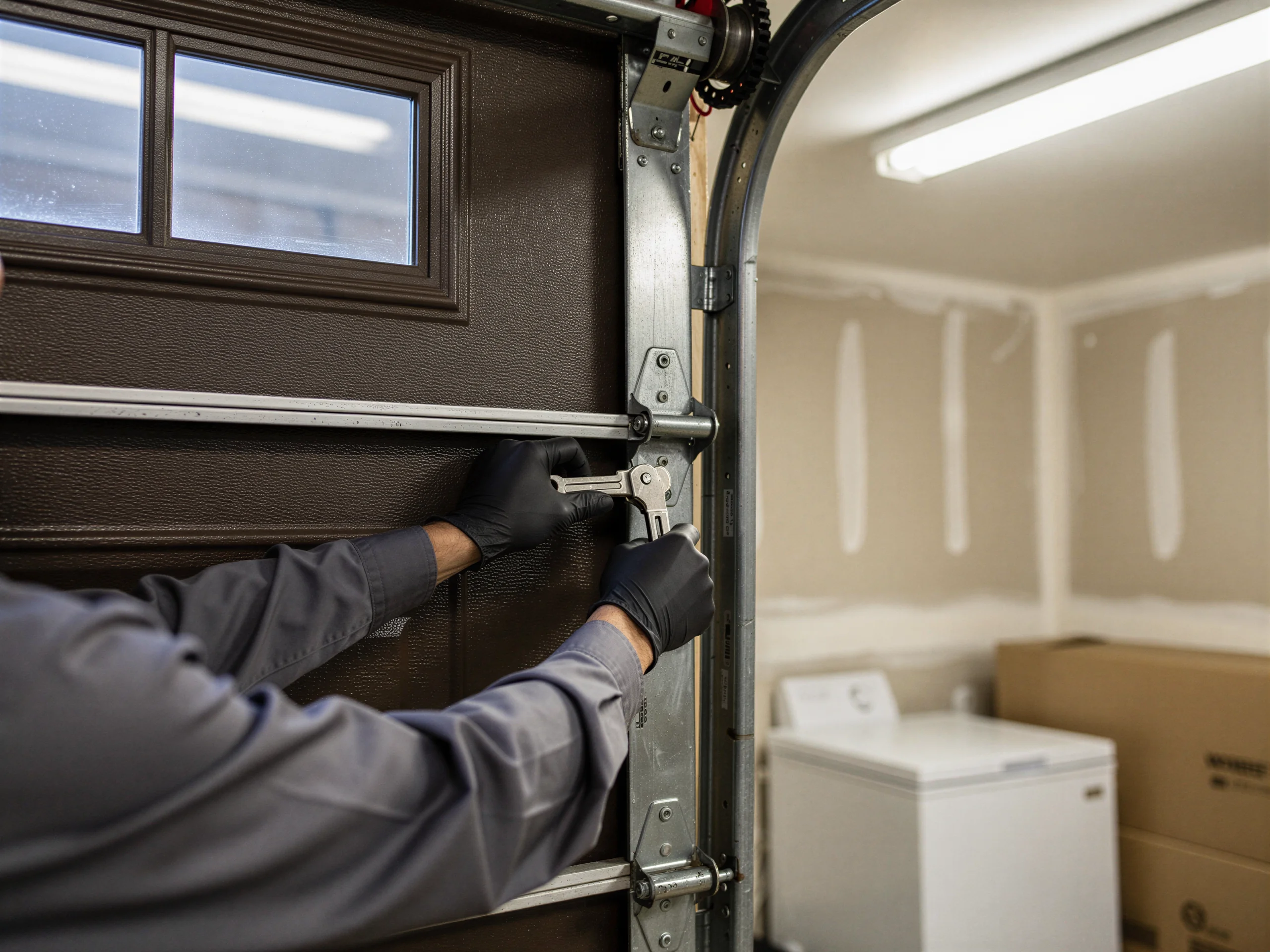
Garage Door Off Track in Manteca
A door that's jumped its track is common in Manteca homes built in the 1960s and 70s. Learn more →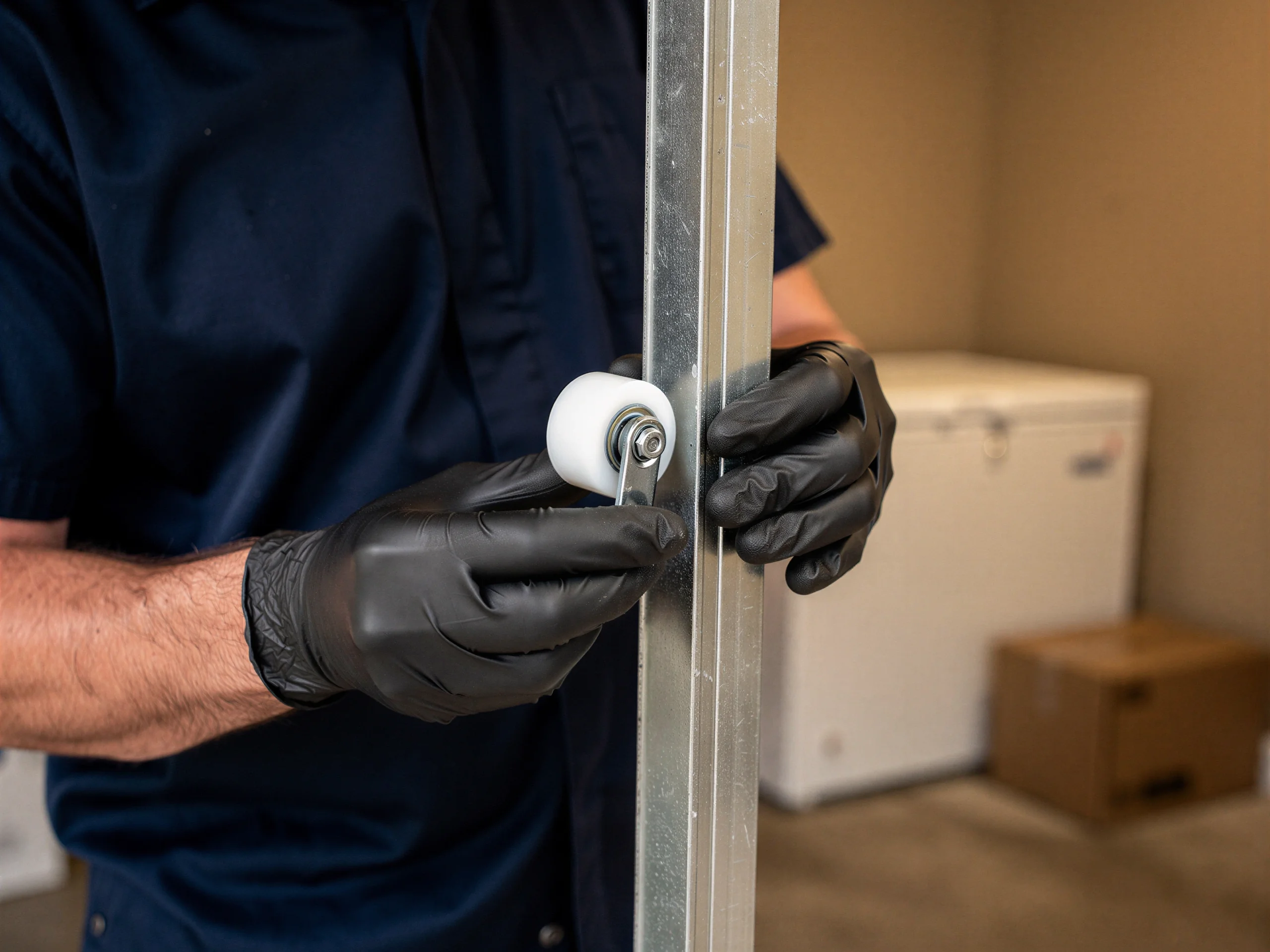
Garage Door Roller Replacement Around Manteca
Garage door roller replacement in Manteca, CA for homes built from the 1960s through today. Learn more →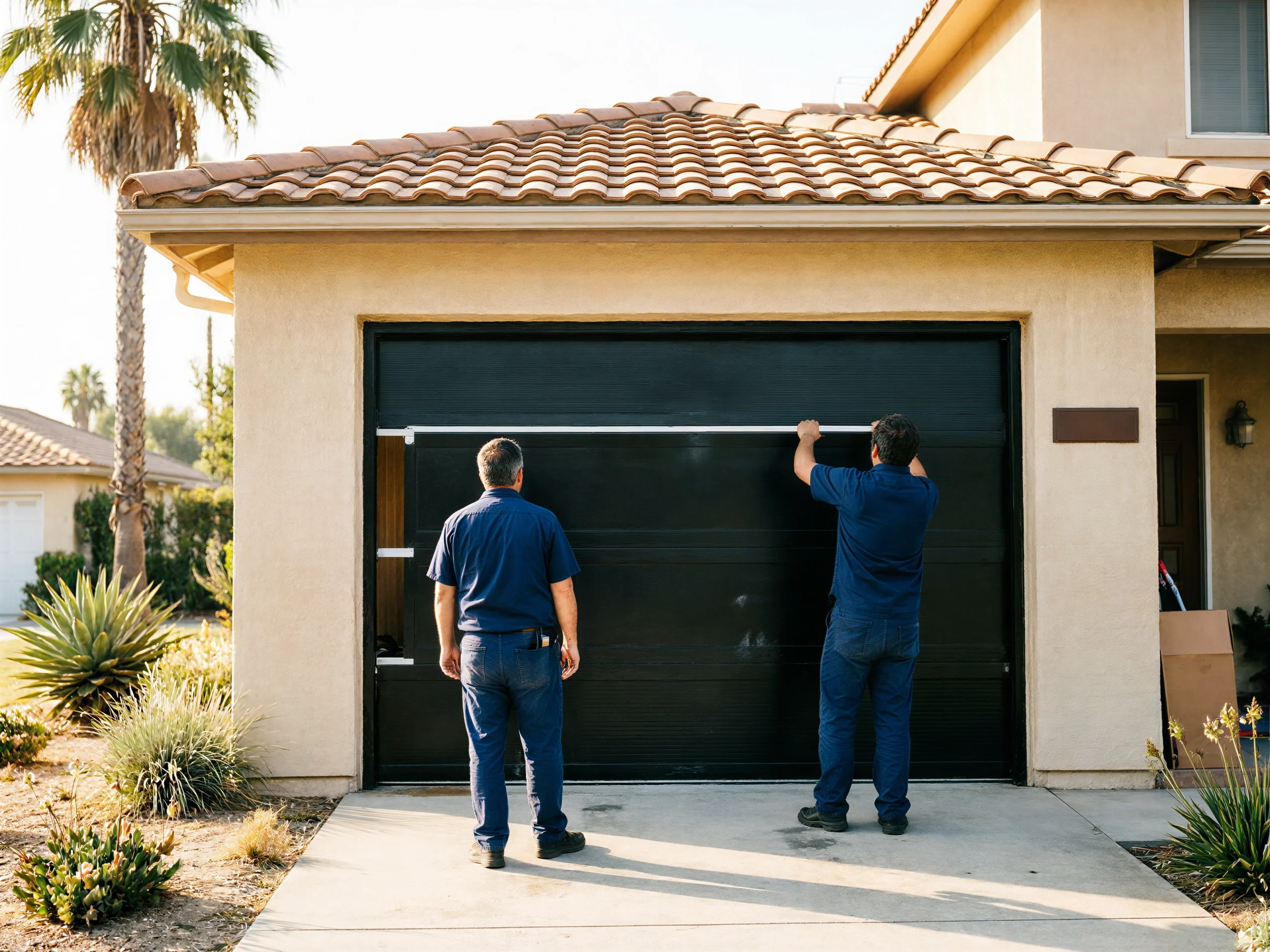
Garage Door Panel Replacement for Manteca Homes
Dented or cracked garage door panel in Manteca? Learn more →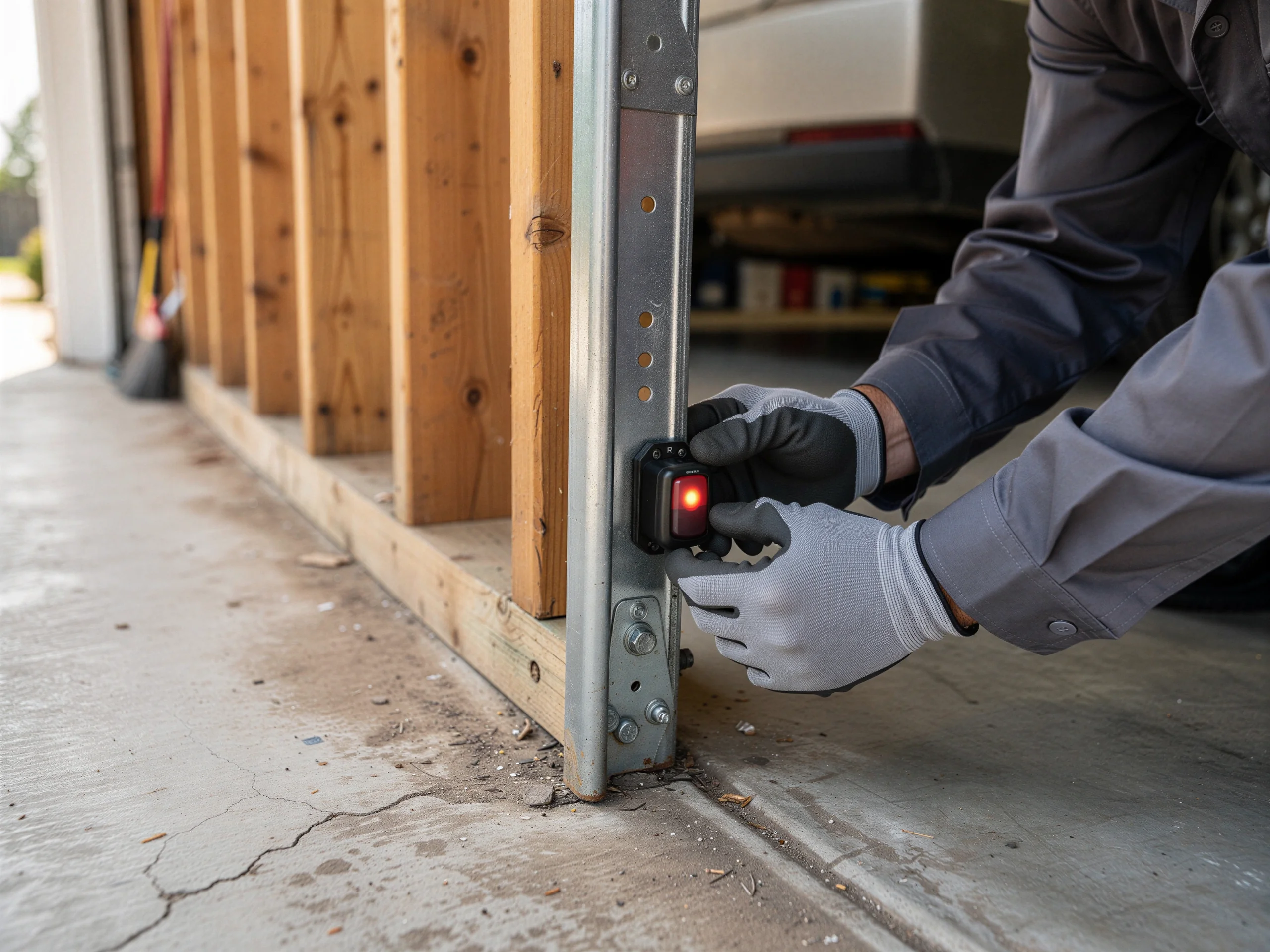
Garage Door Opener Repair Across Manteca
Opener repair for Manteca's 1960s-70s housing stock, where original chain-drive units and aging circuit boards fail under Central Valley heat. Learn more →
Why Garage Door Springs Fail Early in Manteca Homes
Torsion spring repair for Manteca homes built mostly in the 1960s and 70s. Learn more →Ready when you are
Garage door trouble in Manteca?
Manteca Garage Door Pros repairs and installs garage doors, springs and openers in Manteca, CA and the surrounding area.