
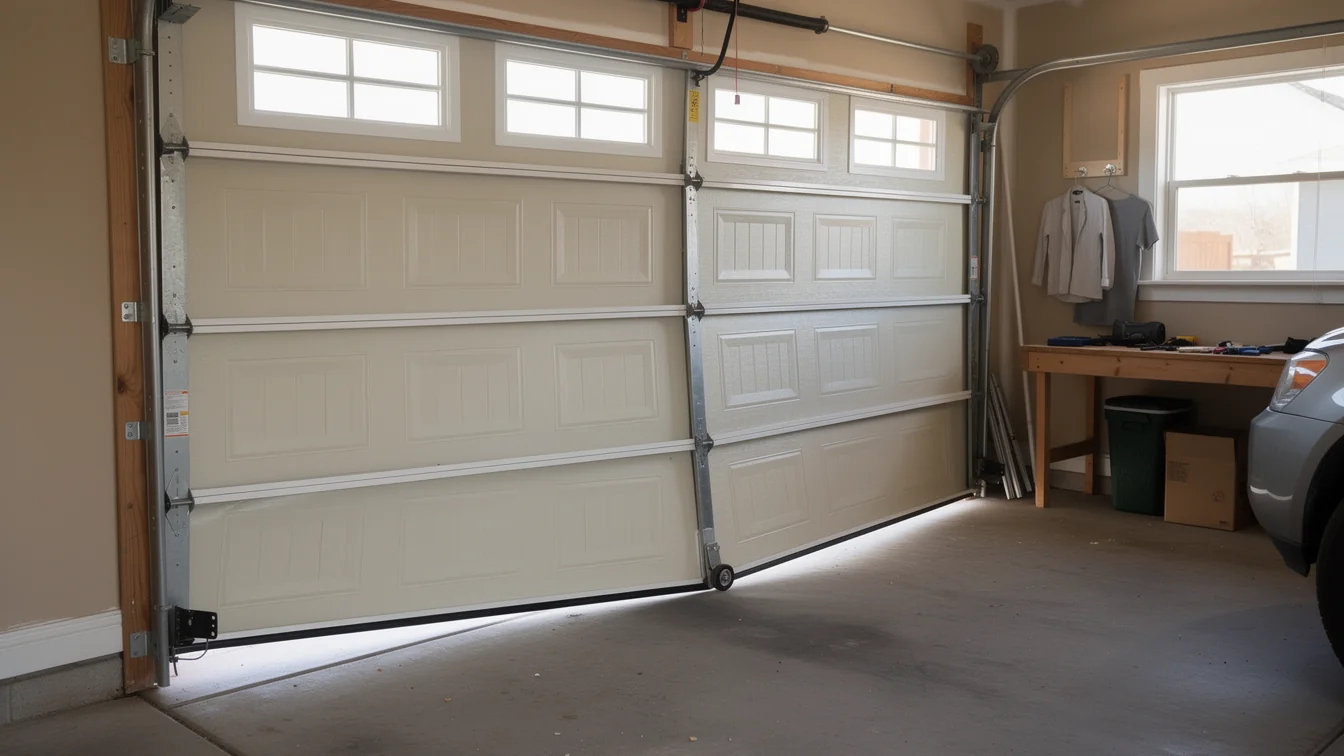
Why Your Garage Door Keeps Jumping Its Track
Manteca's older housing stock and moderate heat put real strain on garage door track.
Read moreA look at what a Manteca Garage Door Pros service call covers, built around this area's 1960s-70s housing stock and moderate heat climate band.
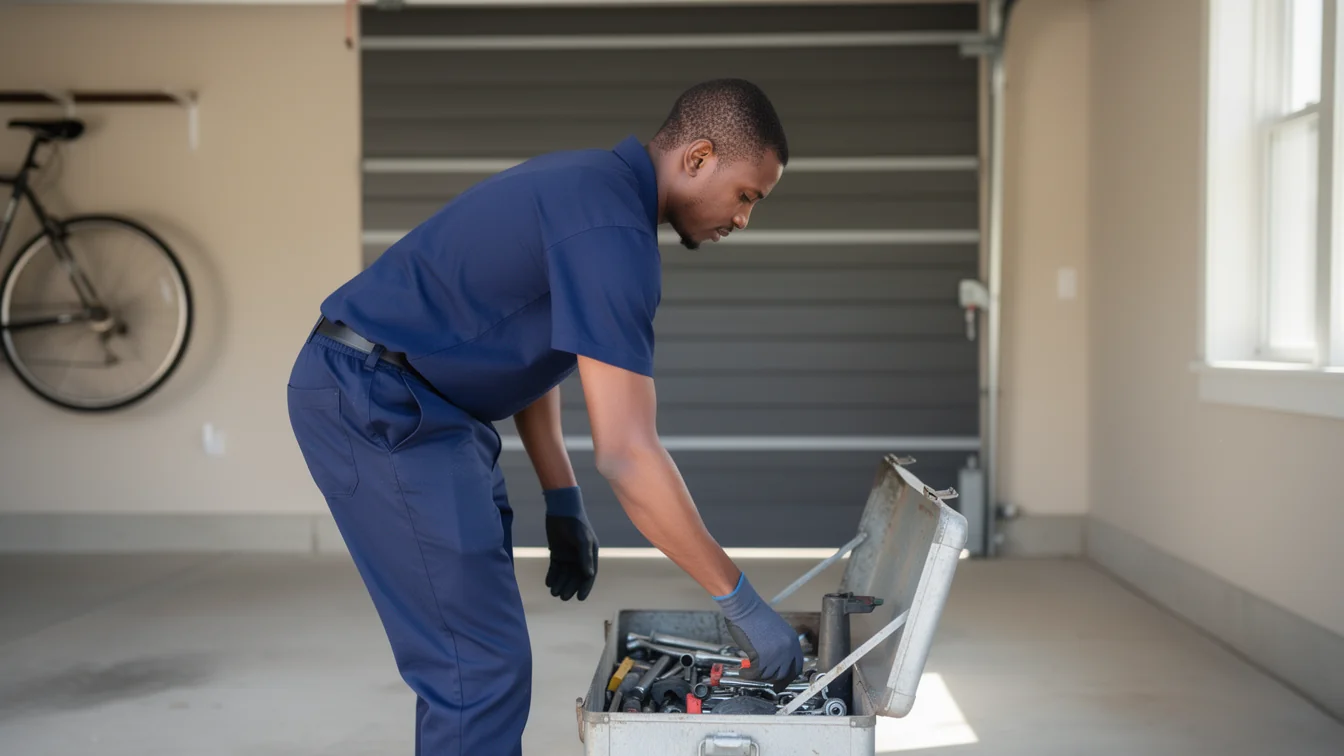
Local detail
Most of Manteca's housing went up between 1938 and 2010, with the bulk of it dating from the 1960s and 70s. That matters more than people think. A door installed in 1968 doesn't use the same spring winding, track gauge, or opener mounting that a 2015 build does, and a service call on an older house starts with figuring out which era of hardware we're actually looking at before we touch anything.
Manteca sits in a moderate heat climate band, not the kind of place with hard freeze-thaw cycles that crack concrete slabs or warp wood panel doors. But summer heat still does its own damage over decades - it bakes the grease out of rollers, dries out nylon bushings, and makes steel cables brittle at the drum end. On a 50-year-old door that's never had the hardware touched, that slow heat cycling is usually the real story behind a sudden spring failure or a cable that frays and lets go.
We work across Manteca and the smaller places around it - Lathrop, French Camp, Ripon, Kennedy, Salida, and farther out toward Escalon and Ceres. The mix of build eras shifts a bit town to town, but the moderate heat exposure is the same across the whole service area.
The area
A proper call starts outside the opener. We check the torsion spring winding and look for rust pitting at the coil ends, since that's where decades of heat-cycled lubricant breakdown shows up first. We check the track alignment and shim gaps, because older slabs in this area have had sixty-plus years to settle unevenly.
We check the cables at the drum for fraying, the rollers for flat spots or cracked nylon, and the hinges for elongated bolt holes - a sign the door's been sagging on one side for longer than anyone noticed. On houses built before the 1980s we also check whether the opener was ever upgraded from the original chain-drive unit, since those older units often still run on hardware that predates any safety reversal sensor.
We check the bottom seal and weatherstripping too, not because Manteca gets hard freezes, but because the seal is usually the first thing to go brittle and crack under sustained summer heat, letting dust and heat into the garage interior.
Last, we check the wall button and any remote - on original-era setups, the wiring itself can be older than the opener motor it's feeding.
What we find
The pattern we see most on calls in this area is a spring that's been slowly losing tension for years before it finally breaks, on a door that's never had the spring serviced since it went in. Given that median housing age of 1968, that's a door old enough to have outlived at least one, sometimes two, opener replacements without ever getting the spring, cables, or rollers looked at in the same visit.
That gap matters because a torsion spring under constant heat-cycle stress for 50 years doesn't fail quietly - it usually lets go while someone's standing under the door, or it takes a cable with it. The second common problem is rollers and hinges that were never upgraded when the opener was swapped, so the door is running newer electronics on worn-out mechanical parts underneath.
We don't see much damage tied to freeze-thaw cracking here, given the moderate heat climate band - that's a different kind of problem that shows up in colder regions. What we see instead is slow wear from heat and age that gets ignored until something snaps.
How we work
Sometimes the honest answer on a service call is that nothing needs doing yet. If the spring still has even tension and no visible rust pitting, and the cables aren't frayed, we'll say so rather than sell a replacement nobody needs.
We also won't pretend every old door is worth saving. If a door from the original 1960s-70s building wave has a bent track, a cracked panel, and a worn-out spring all at once, replacing the whole unit is usually cheaper and more honest than patching three separate failures on a door that's going to need the next thing fixed within a year anyway.
One limitation worth stating plainly: on some of the older original-equipment doors, exact replacement parts for that specific hardware era aren't something we keep on the truck, and sourcing an exact match can take longer than a same-day fix. In those cases we'll tell you the realistic timeline up front instead of guessing.
Questions
If the opener was replaced at some point but the spring and cables weren't, you've got new electronics running on fifty-plus-year-old mechanical parts. Given the 1960s-70s housing stock common here, that's a frequent setup - the opener gets swapped, the spring never does, until it finally gives out.
Not in dramatic ways, since this is a moderate heat band rather than an extreme climate. But sustained summer heat over decades dries out lubricant, hardens nylon rollers, and makes steel cable more brittle at the ends - slow wear rather than sudden damage.
Yes - we cover the surrounding area including Lathrop, French Camp, Ripon, Kennedy, Salida, and out to places like Escalon and Ceres. The housing ages shift a bit by town, but the service call process is the same.
Recommendation
More garage door guides for Manteca homeowners.
Manteca's older housing stock and moderate heat put real strain on garage door track.
Read more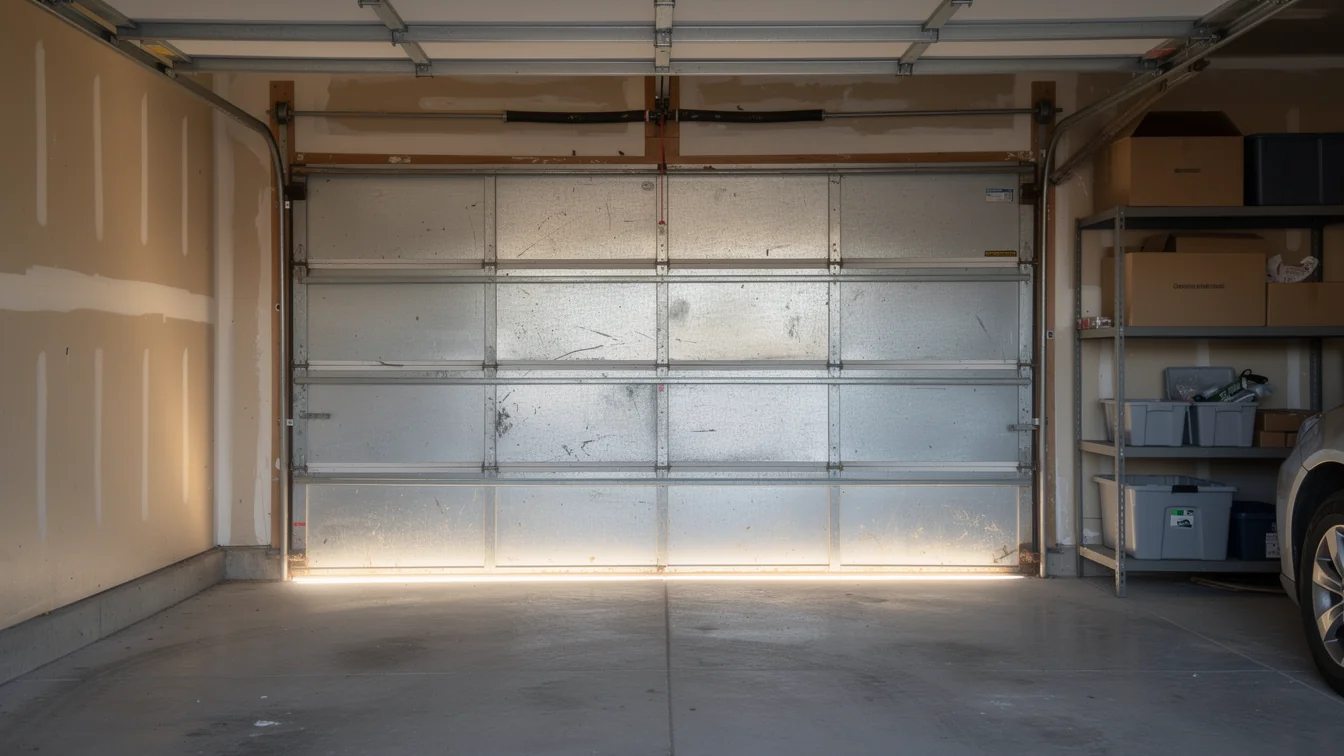
Manteca's housing stock runs 1938-2010, median year 1968 - before current insulation codes.
Read more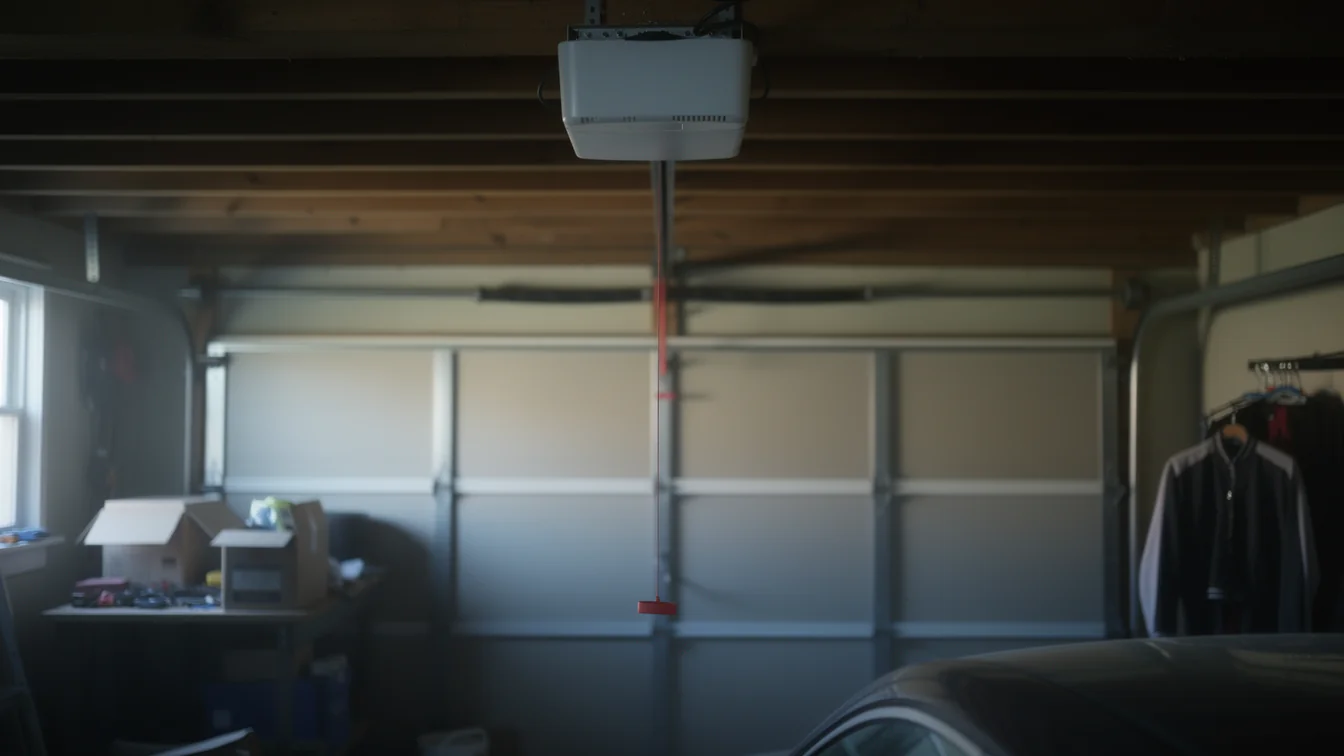
When the power goes out in Manteca, your garage door opener stops working too.
Read moreReady when you are
Manteca Garage Door Pros repairs and installs garage doors, springs and openers in Manteca, CA and the surrounding area.