
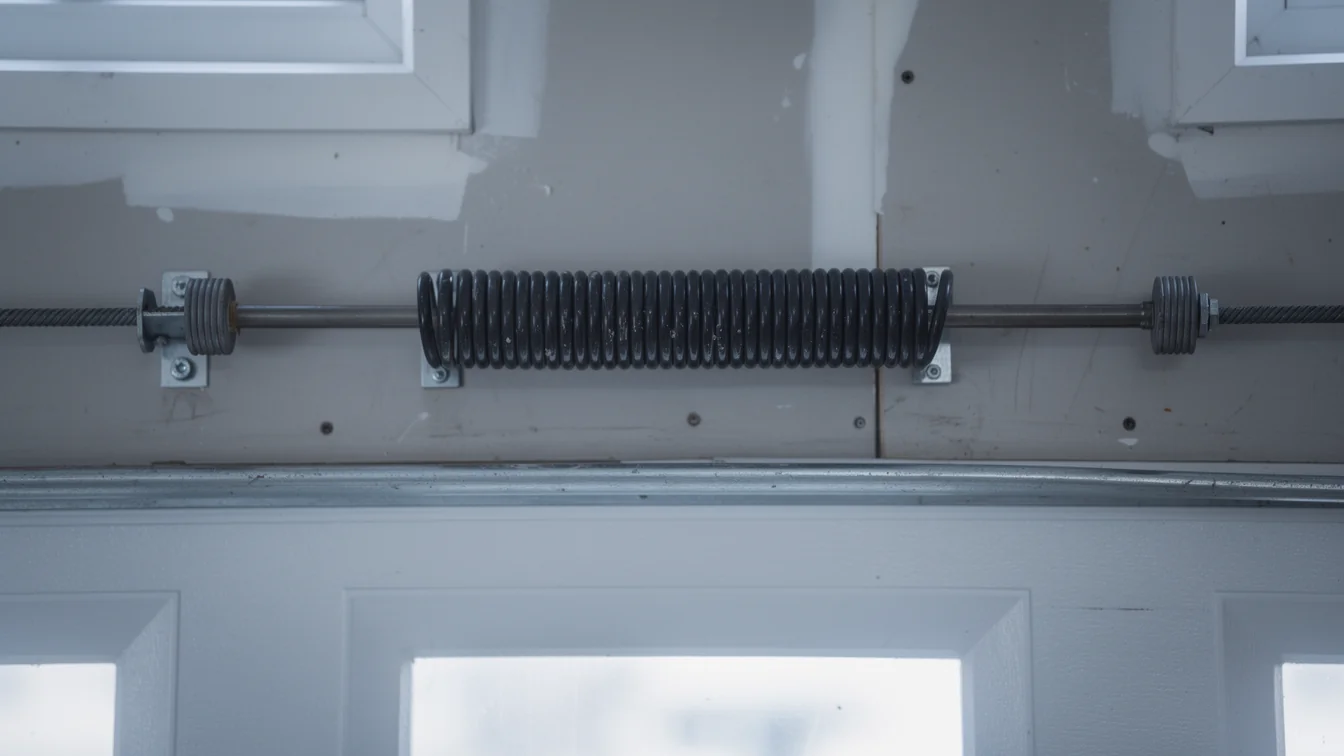
Why Cold Mornings Are Hard on Manteca's Older Springs
Manteca homes built mostly in the 1960s and 70s still run original torsion springs.
Read moreMost Manteca homes date to the 1960s-70s boom, and original hardware tells on itself through sound. Here's what each noise means on houses this age, in this heat.
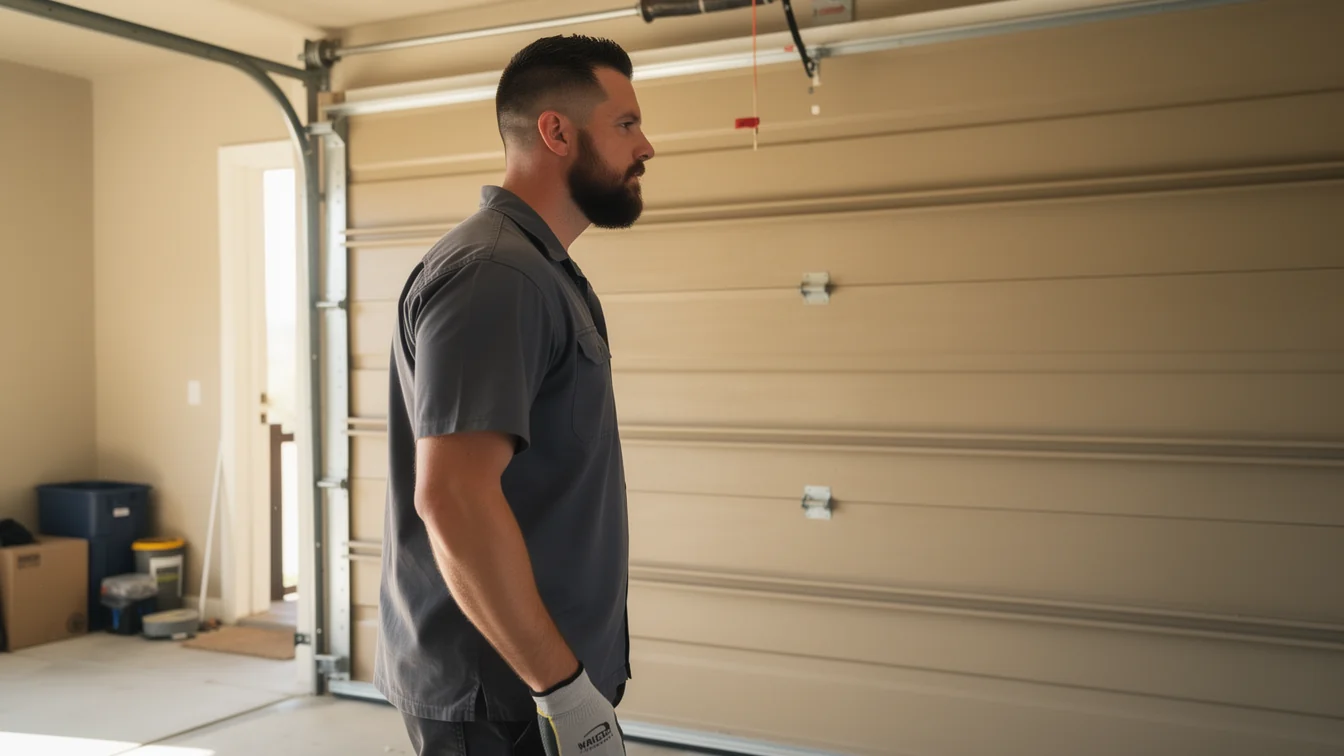
Local detail
Manteca's housing stock runs from 1938 up through 2010, but the median build year lands at 1968, and most of the 19 named areas we work in are thick with 1960s and 70s construction. That matters for noise because a door built or retrofitted during that stretch is likely running on steel hardware that's now 50-plus years old, even if the opener got swapped out somewhere along the way. Original track brackets loosen at a different rate than the drywall anchors sold today, and original rollers were almost never nylon.
The climate here is moderate heat, not desert-extreme, but Manteca still sees real swings between a cold snap and a 100-degree afternoon. Steel expands and contracts with that swing. A track that was dead true in January can develop a slight bow by July, and that bow announces itself as a scrape or a rattle long before the door actually binds. On a house with original 1960s track, that seasonal tick is almost routine. On a door installed in the last ten years, the same sound usually means something got knocked loose, not that the metal is aging out.
The area
Start by watching the door move, not just listening to it. A grinding sound that happens right as the door starts to rise usually comes from the rollers, and on a house from the 1960s-70s wave that's common in this area, those rollers may never have been replaced. A rhythmic thunk at the same point in the cycle every time points to a flat spot on a roller or a bent section of track, not the opener.
A loud bang followed by the door refusing to move almost always means a broken spring, and on older torsion setups that's a sudden, single event rather than a gradual noise that builds. Squealing that rises and falls with the door's speed is usually just dry hinges or rollers, something you can often quiet down yourself with the right lubricant on steel hardware of this vintage - don't use household oil, it collects grit.
If the noise is a low hum with no movement, check the opener's capacitor and the wall switch wiring before assuming the motor itself is dying. With a median household income of $86,875 across the service area, replacing a whole opener isn't a small decision, and a lot of hum complaints turn out to be a $20 part.
What we find
The real problem with garage door noise on houses from this era is that it's cumulative. A door built around 1968 that's still running close to its original hardware has had five decades of seasonal expansion and contraction working on the same brackets, the same track bolts, the same spring mounts. None of that fails all at once - it loosens a quarter turn at a time, and each loose quarter turn adds a new pitch to the noise until you've got a door that sounds like a different machine than it did ten years ago.
We can't tell you from a phone description whether a noise is a $15 fix or a full spring and track job - we have to see the door moving. That's the honest limit here: noise diagnosis over the phone is a guess, and we'd rather tell you that than quote a number we can't back up sight unseen.
How we work
Not every noise needs same-day attention. A dry squeak on a door that still opens smoothly and stops where it should is a maintenance item, not an emergency - lubricate it and keep an eye on whether it comes back faster each time. That's a reasonable call to make yourself, especially on a newer door.
What you shouldn't ignore is a noise that's changed character suddenly, or one paired with the door hesitating, reversing on its own, or sagging visibly to one side. On the older end of this area's housing stock - anything close to that 1968 median build year - a spring or cable failure can go from "noisy" to "door off its track" in a single cycle, because the hardware holding it together has had decades to fatigue. If you're unsure which category you're in, that's worth a call rather than a guess.
Questions
Manteca sits in a moderate heat climate band, but the swing between cool mornings and hot afternoons is enough to expand steel track sections. On older homes from the 1960s-70s wave common here, that expansion can shift a track just enough to create a scrape or rattle that disappears once temperatures drop again.
Usually not. Squealing is almost always dry rollers or hinges, which you can often fix with the right lubricant. It becomes urgent only if it's paired with the door hesitating, reversing, or sagging to one side, which points to a spring or cable problem instead of simple dryness.
Worth watching closely. Hardware from that era has had decades of seasonal expansion and contraction, and changes in sound often mean brackets or spring mounts have loosened gradually. A sudden change in pitch or rhythm is a better reason to call than an old, consistent hum.
Only roughly. We can narrow it down - grinding usually means rollers, a bang usually means a spring - but we can't quote a real fix without seeing the door cycle in person. Phone diagnosis is a starting guess, not a final answer.
Recommendation
More garage door guides for Manteca homeowners.
Manteca homes built mostly in the 1960s and 70s still run original torsion springs.
Read more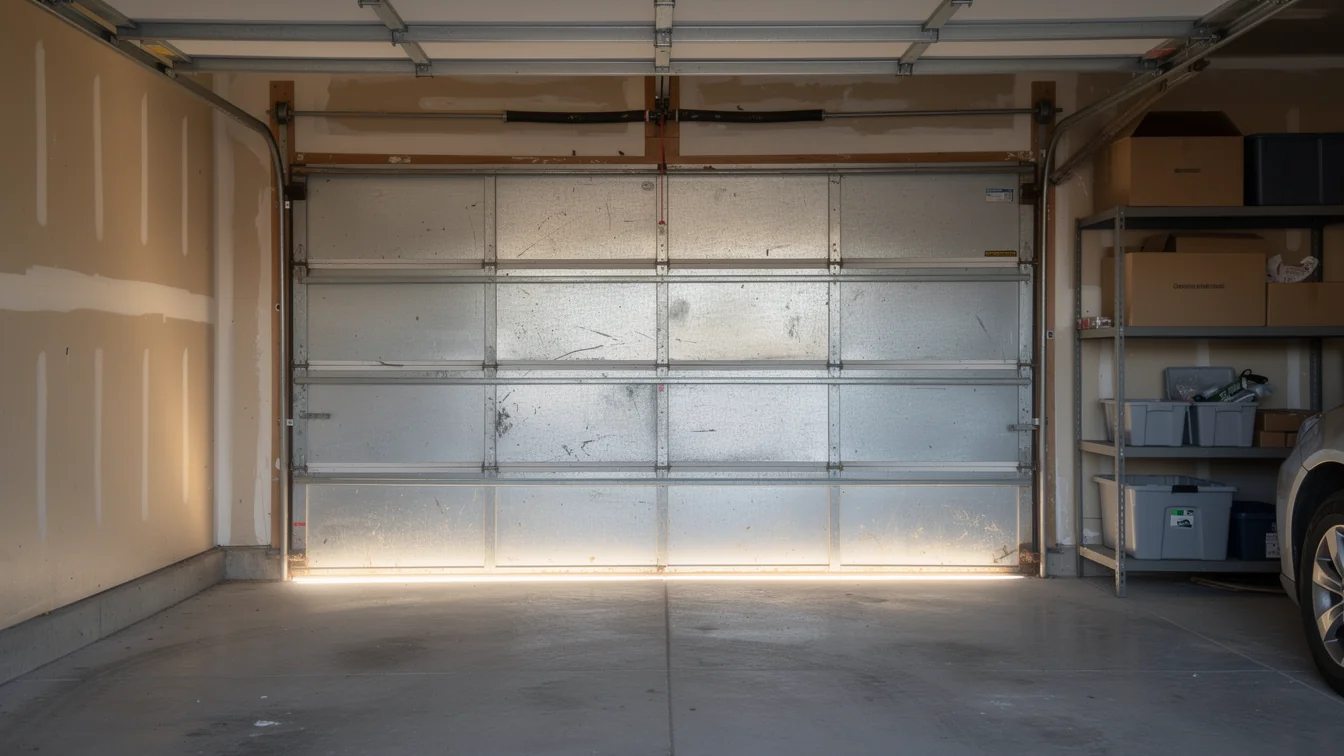
Manteca's housing stock runs 1938-2010, median year 1968 - before current insulation codes.
Read more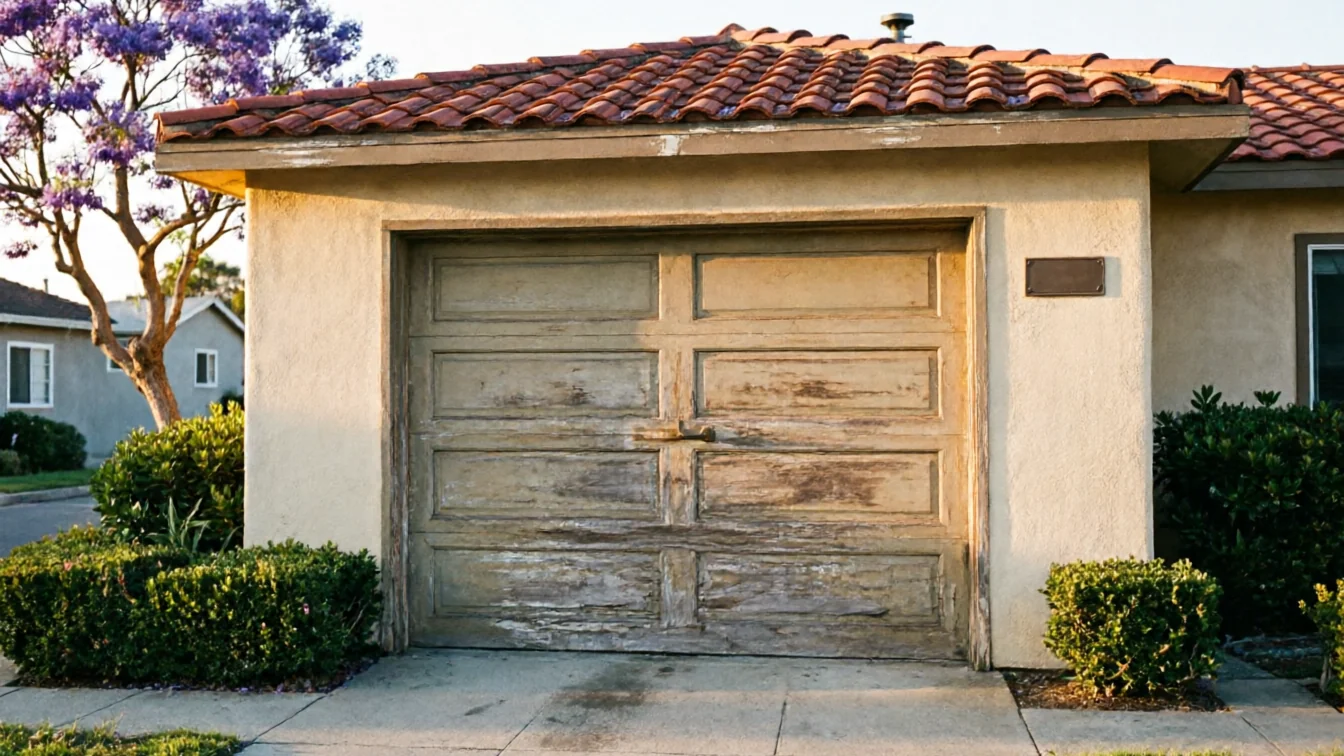
Manteca's housing stock runs 1938 to 2010, median 1968 - here's how to tell if your older garage door is worth repairing or past it.
Read moreReady when you are
Manteca Garage Door Pros repairs and installs garage doors, springs and openers in Manteca, CA and the surrounding area.