What a Service Call Actually Covers in Manteca
A look at what a Manteca Garage Door Pros service call covers, built around this area's 1960s-70s housing stock and moderate heat climate band.
Read moreManteca's older housing stock and moderate heat put real strain on garage door track. Here's what actually knocks a door off its rails and what to do about it.
Local detail
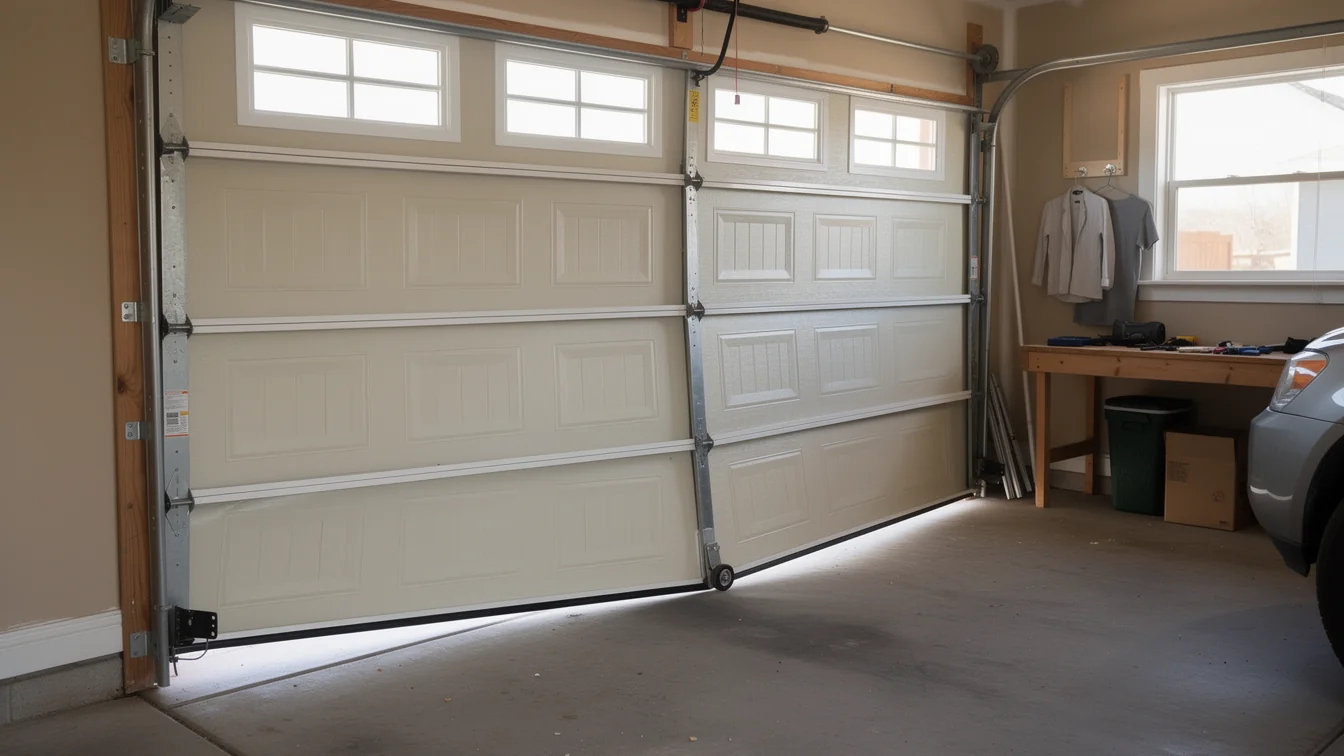
A lot of the houses in Manteca went up between 1938 and 2010, with the median build year sitting around 1968, so a big share of the doors out there are still riding on steel track hung during that first installation decade. Track doesn't fail on its own - it gets walked out of alignment by something else moving around it, and in this area that something is usually heat. Manteca sits in a moderate-heat climate band, which means long summer stretches where garage interiors run well above outside temperature. Steel track expands under that heat, just a hair, but enough that a roller riding close to spec clearance starts clipping the edge of the rail instead of rolling smooth inside it. Over a season or two that clipping bends the track lip outward. Add in the fact that most of the stock across this service area is 1960s and 70s construction, and you've got brackets that were lag-bolted into jamb studs decades ago, studs that have since shrunk and shifted with age. A bracket an eighth-inch off true doesn't sound like much until the door's cycling through it twice a day for fifty years.
The area
Start at the brackets, not the track. On houses from the 1960s and 70s stock that makes up most of this area, the horizontal track bracket bolts into the framing above the door opening, and that's the first thing to loosen with age - wood shrinkage, repeated vibration, or just an old lag screw that never had a washer. Grab the bracket and see if it moves independent of the wall. If it does, that's your off-track cause right there, not the track itself. Next, sight down the vertical track on both sides. It should run dead straight and parallel to the other side. A kink usually means something hit the door from outside, a car bumper or a stored ladder leaning wrong. Check the rollers themselves - on original 1960s-era doors, those are often still steel rollers with no nylon sleeve, and worn steel wears unevenly, which lets the roller tip sideways in the track instead of rolling flush. Last, look at the gap between roller and rail with the door at rest. Too wide and the door hunts side to side every cycle, slowly working itself toward the track edge.
What we find
Once a door walks off track, it doesn't fix itself, and running the opener again usually makes it worse - the opener has no way of knowing the door isn't tracking right, so it keeps pulling the same force through a roller that's now binding against a bent rail edge. That bind transfers load into the cable and the spring system faster than normal cycling does. On the older housing stock common in this area, where hardware is original or close to it, that extra stress finds the weakest link fast, and it's rarely the part you'd guess. With 39,446 owner-occupied houses across this service area, most built well before anyone wrote lubrication into a home maintenance checklist, bent track and worn rollers show up on service calls more than failed new installs do. The honest limit here: if the track is bent in more than one spot, or the bend is sharp rather than gradual, straightening it back into tolerance usually isn't worth the labor against the cost of a new section. We'll tell you straight which side of that line your door is on rather than bill for a repair that won't hold.
How we work
A door that's only slightly off track will often keep opening and closing for weeks, which is exactly why people put off the call. But each cycle with a roller riding the edge of a bent rail wears a little more off that roller and flexes the bracket a little more loose. At a median household income of $86,875 across this area, most owners we talk to would rather catch this with a track realignment than wait for it to become a cable or spring job, which costs more and usually means the door is stuck shut until it's fixed. If you hear a scrape or a thunk at the same spot every time the door runs, that's the roller announcing where it's about to jump. Leave it through one more Manteca summer of heat-driven expansion and contraction, and a track that just needed adjusting now needs replacing.
Questions
Usually it's gradual, not sudden - a bracket that's been loosening for years or a track bend from heat expansion finally crosses the point where the roller can't stay inside the rail. On the 1960s and 70s stock common around Manteca, original hardware is the usual culprit.
You can sometimes reseat a roller that's barely out, but if the track itself is bent, forcing the door closed puts load on the spring and cable system that it's not built to carry. If the door binds or scrapes, stop running it and get the track checked before you cycle it again.
Yes - steel track expands under sustained summer heat here, and on a moderate-heat climate band that expansion is enough to tighten clearance around the rollers. Combined with older brackets common in this area's housing, that's a common path to a door walking off track.
Recommendation
More garage door guides for Manteca homeowners.
A look at what a Manteca Garage Door Pros service call covers, built around this area's 1960s-70s housing stock and moderate heat climate band.
Read more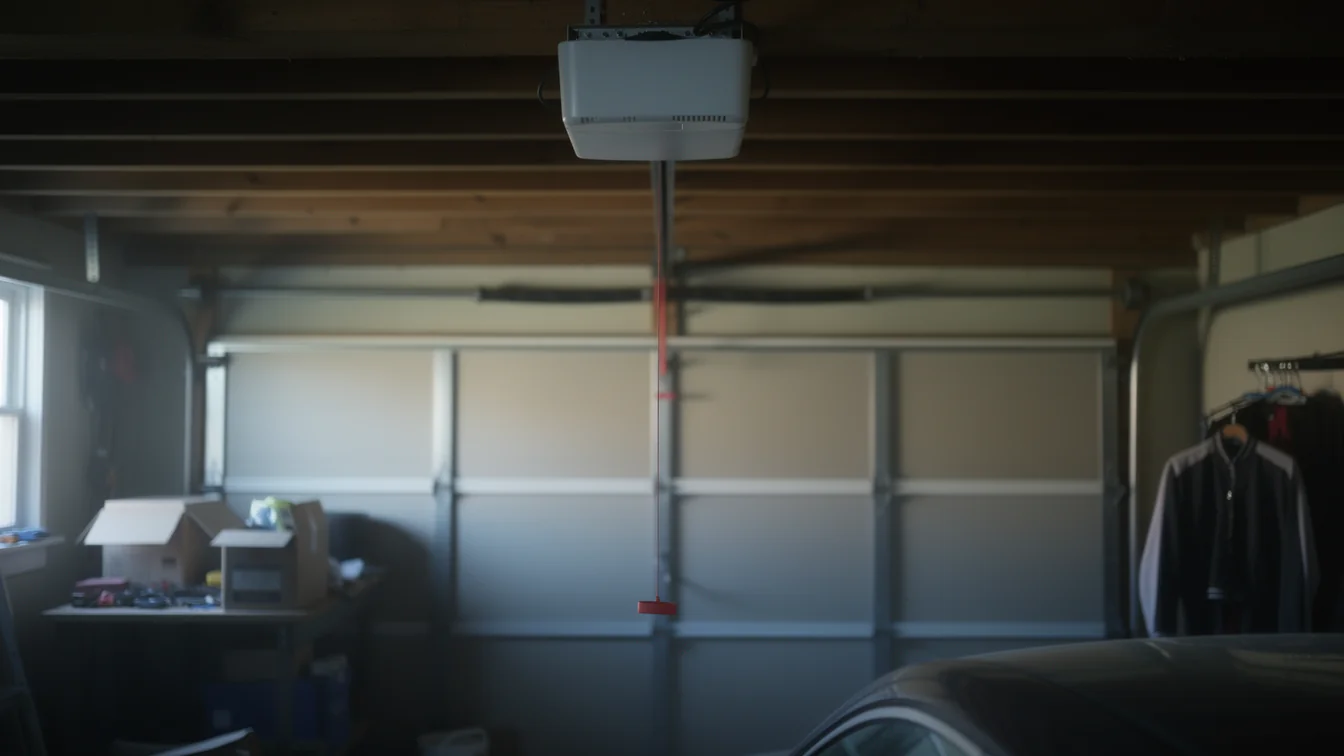
When the power goes out in Manteca, your garage door opener stops working too.
Read more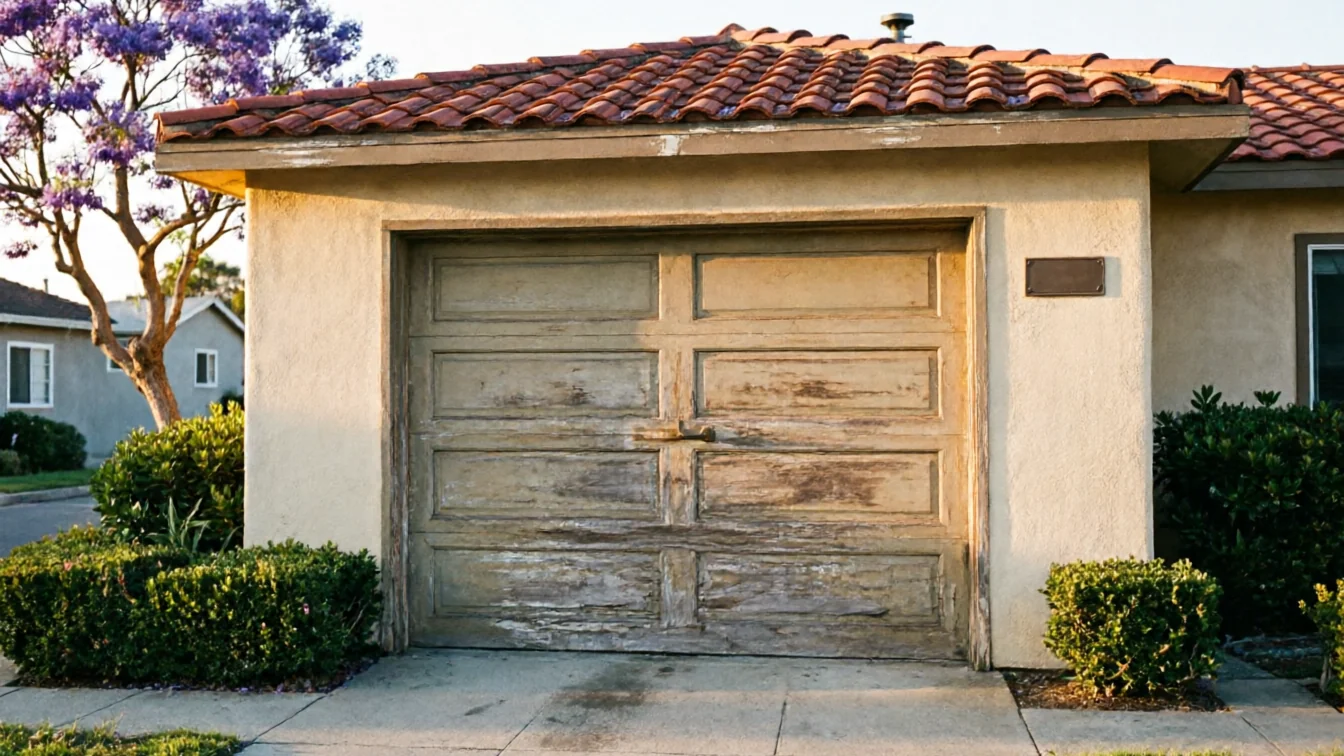
Manteca's housing stock runs 1938 to 2010, median 1968 - here's how to tell if your older garage door is worth repairing or past it.
Read moreReady when you are
Manteca Garage Door Pros repairs and installs garage doors, springs and openers in Manteca, CA and the surrounding area.