Country Club, Manteca
Panel Replacement for Country Club's 1956-Era Garage Doors
Country Club's houses mostly date to 1956, a decade ahead of the wider service area median. We match panels to that older hardware, traveling the 14 miles from Manteca.
What Causes It Around Here
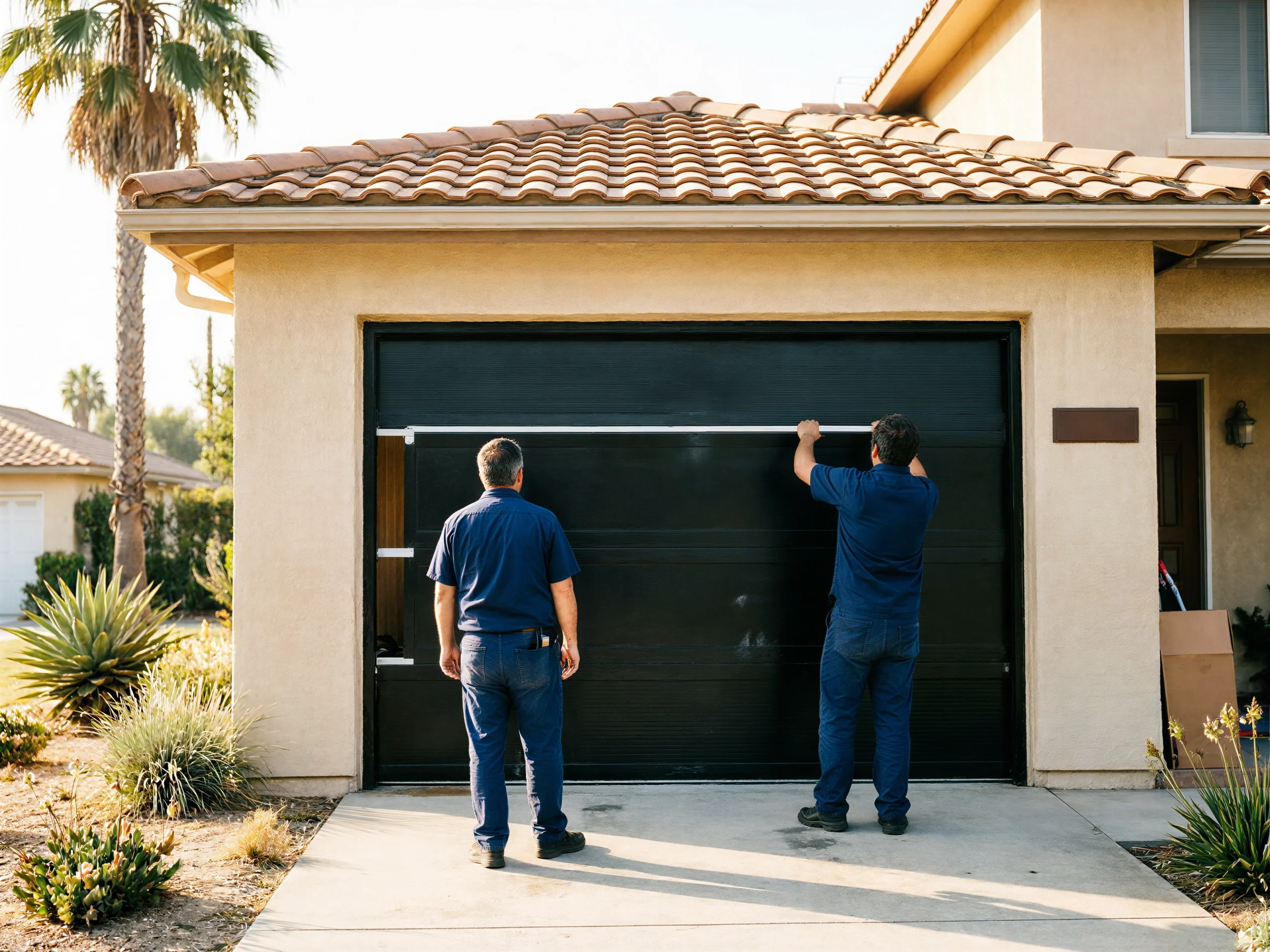
Most houses in Country Club went up around 1956, which puts this pocket ahead of the broader service area's 1968 median. That extra decade matters more than it sounds like it should. A door installed when the house was built has had roughly seventy years of sun cycles and door-slam vibration to work on its panels. Steel panels from that era are usually narrower than what's sold today, and a lot of them were never swapped out - just patched, repainted, or left to dent quietly for years. The failure you see now is usually a bottom panel that's rusted through from years of sprinkler overspray, or a middle section that's buckled because a slat of wood bracing inside gave out decades ago and nobody knew it was there. Because the climate here runs moderate on heat, you're not dealing with the kind of extreme thermal cycling that cracks panels outright in hotter inland climates - the damage is slower, more mechanical: dents from cars, rust at the bottom seam, warping where the original paint failed and let moisture in. If your door still has its factory panels, there's a decent chance they're older than the opener, the springs, and everything else on the door combined.
Booking a Visit
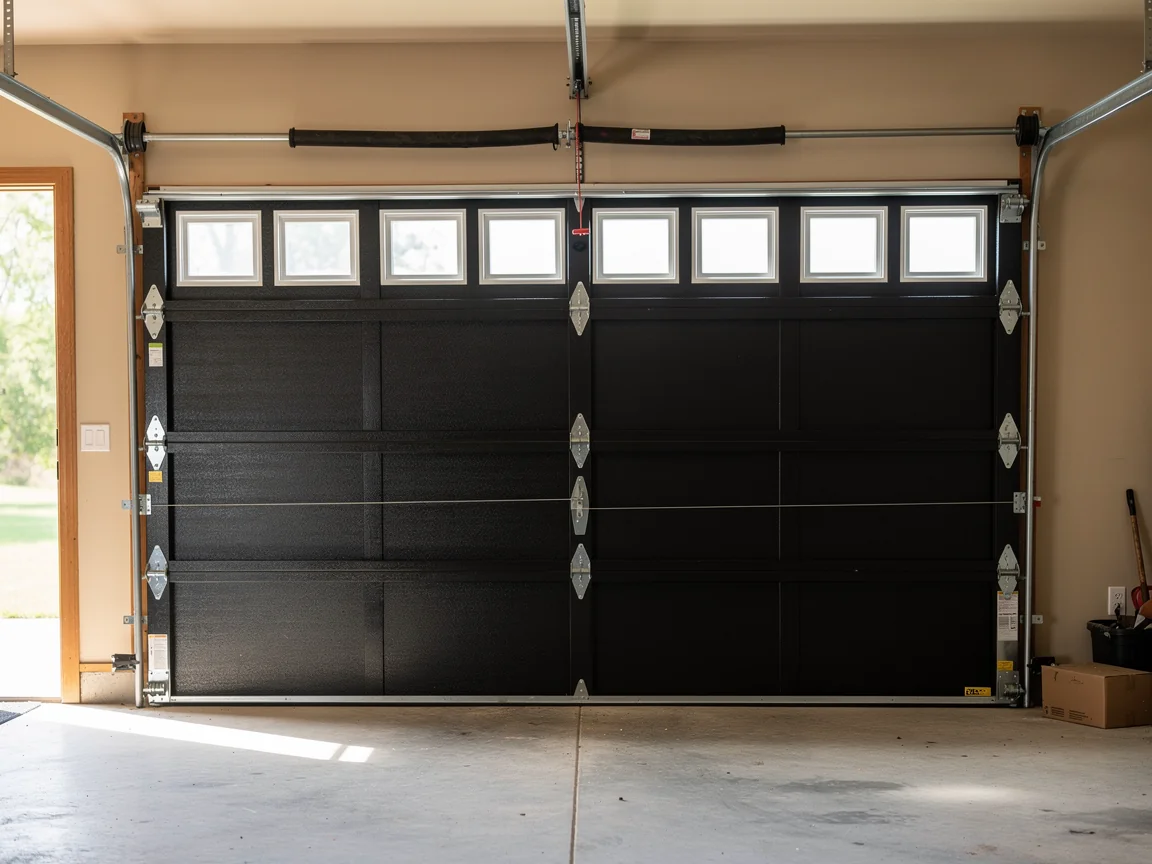
We run out of Manteca, about 14 miles from Country Club, so a panel job here gets scheduled rather than walked over same-hour.
Measuring against current stock
That's worth knowing up front: we're not based in the neighborhood, we're driving to it. Once we're out for a look, we measure the existing panel against current stock sizes - doors from the 1956 era often used dimensions that don't match what's sold new, so we need to know before we quote whether this is a drop-in swap or a full section rebuild.
One panel or full run
You can start that conversation through the Country Club service page, and we'll figure out from there whether one panel does it or whether matching colors and wear means replacing the whole run. We'd rather tell you that on the phone than show up with the wrong part on the truck.
What Can Go Wrong
A single cracked or dented panel is the easy case. The harder one is when a door this old has one section that's failed structurally - usually from rust eating through the bottom few inches - while the rest of the panels are faded to a completely different shade of whatever color they started as. Swap one panel and the mismatch is obvious from the street. On doors from the mid-1950s, we also sometimes find that panel hinges have been bent back into shape more than once, which means the new panel won't sit flush even if it's the right size. And because household incomes in this area run a bit above the wider service area's figure, we see more owners who'd rather do it right the first time than patch it twice - which usually means replacing panels in matched sets rather than piecemeal.
What the Repair Takes
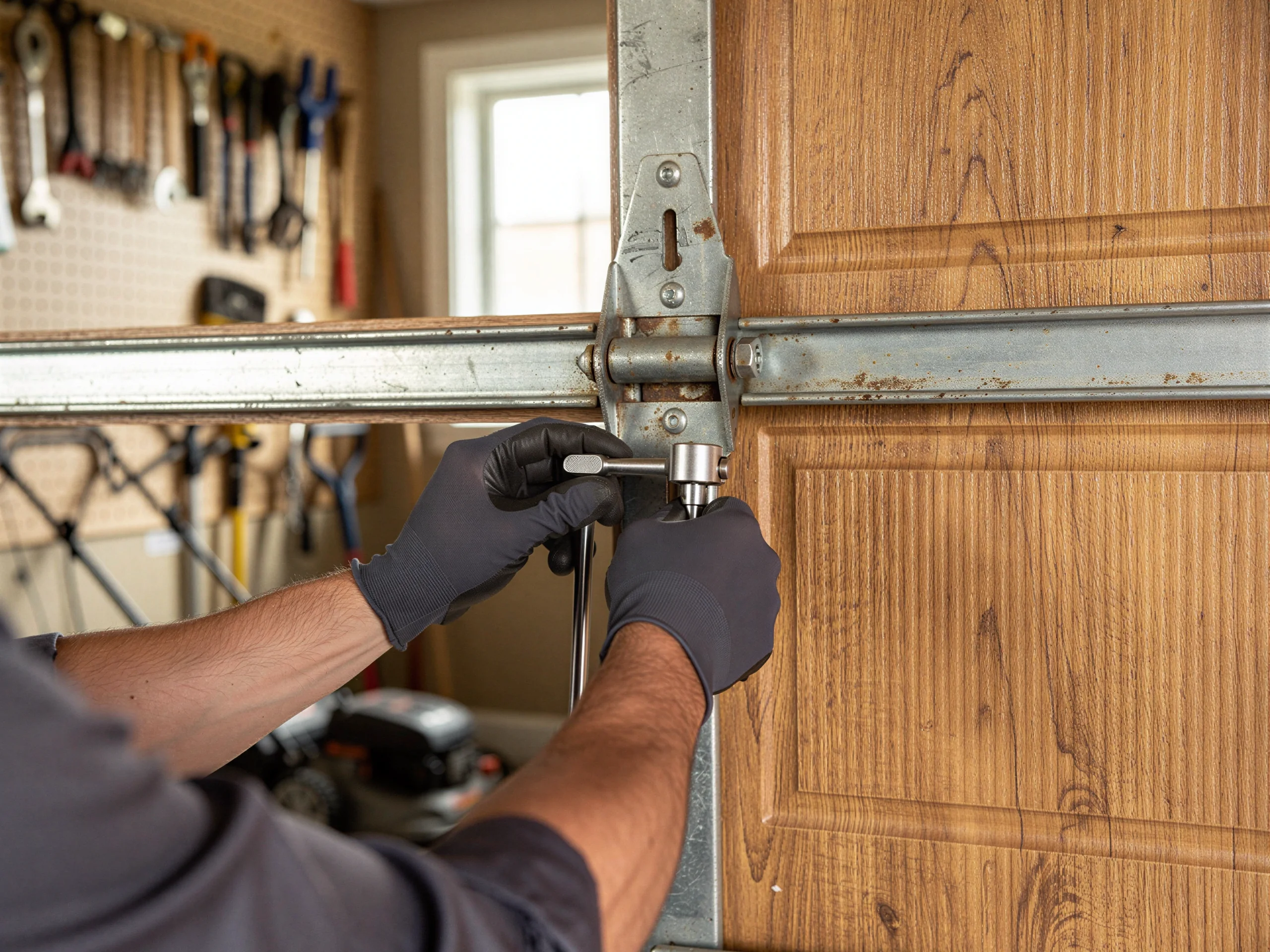
For a straightforward single-panel swap, we're pulling the damaged section, checking the track and hinges on either side of it for wear that the old panel might have been hiding, and setting the new section with matching hardware.
Check original hardware too
On a 1956-era door, that hinge and roller hardware is frequently original, so we check it rather than assume it's fine just because the door still opens.
Faded runs need full sets
If the whole run is faded or the panel sizing doesn't match what's currently manufactured, the job becomes a full panel-set replacement rather than a patch, and that's a different quote and different timeline since matched sets aren't something we keep stocked for every size on the truck.
Doing It Yourself
Swapping a single panel is within reach for someone comfortable with hand tools, if the door is unplugged from power and the panel isn't load-bearing in a way that affects the spring tension - on most sectional doors it isn't. Where people get into trouble is matching the panel to decades-old track width and hinge spacing without measuring first, then forcing a panel that's close but not exact into place. That's how you end up with a door that binds on the track or won't seal at the bottom. If the panel you're replacing is anywhere near the bottom section with the cables and rollers attached, that's not a DIY job - the spring system next to it is under real tension and it's not worth the trip to the ER to save a service call.
What Is on the Truck
We carry common panel sizes and a range of hardware for sectional doors, but we don't stock replacement panels sized to match every door built since 1938, which is the range covered across this service area. For a house in Country Club with 1956-era panel dimensions, there's a real chance the part needs to be ordered rather than pulled off the truck that day. We'll tell you at the time of the visit whether what you need is something we carry or something we need to bring back on a second trip - we'd rather say that than leave with a panel that's close enough to look wrong once it's hung.
Questions
Common questions
Will a new panel match the rest of my door if the house is from the 1950s?
Not always. Panel sizing and paint colors from 1956-era doors often don't match what's currently manufactured, so a single new panel can look visibly different from the rest. We check sizing and color before quoting so you know whether it's a clean match or a full-section replacement.
How far out is Country Club from your shop?
About 14 miles from our Manteca location. We schedule panel jobs out here rather than offering same-hour drop-ins, since we're traveling to you rather than working from a branch in the neighborhood.
Is the hardware on an old door worth saving when we replace a panel?
Often yes. Hinges and rollers from a 1956-era door are sometimes original, and if they're not worn past spec there's no reason to replace them just because the panel failed. We check them during the visit rather than swapping parts that still work.
Can I just replace one panel instead of the whole door?
If the rest of the door is structurally sound and the panel size still matches current stock, yes. The limitation is cosmetic match and whether the specific panel dimension from that era is something we can source quickly or need to order.
Explore more
More Services in Country Club
Garage Door Repair
Garage door repair for Country Club homes built around 1956, served from Manteca 14 miles away. Learn more →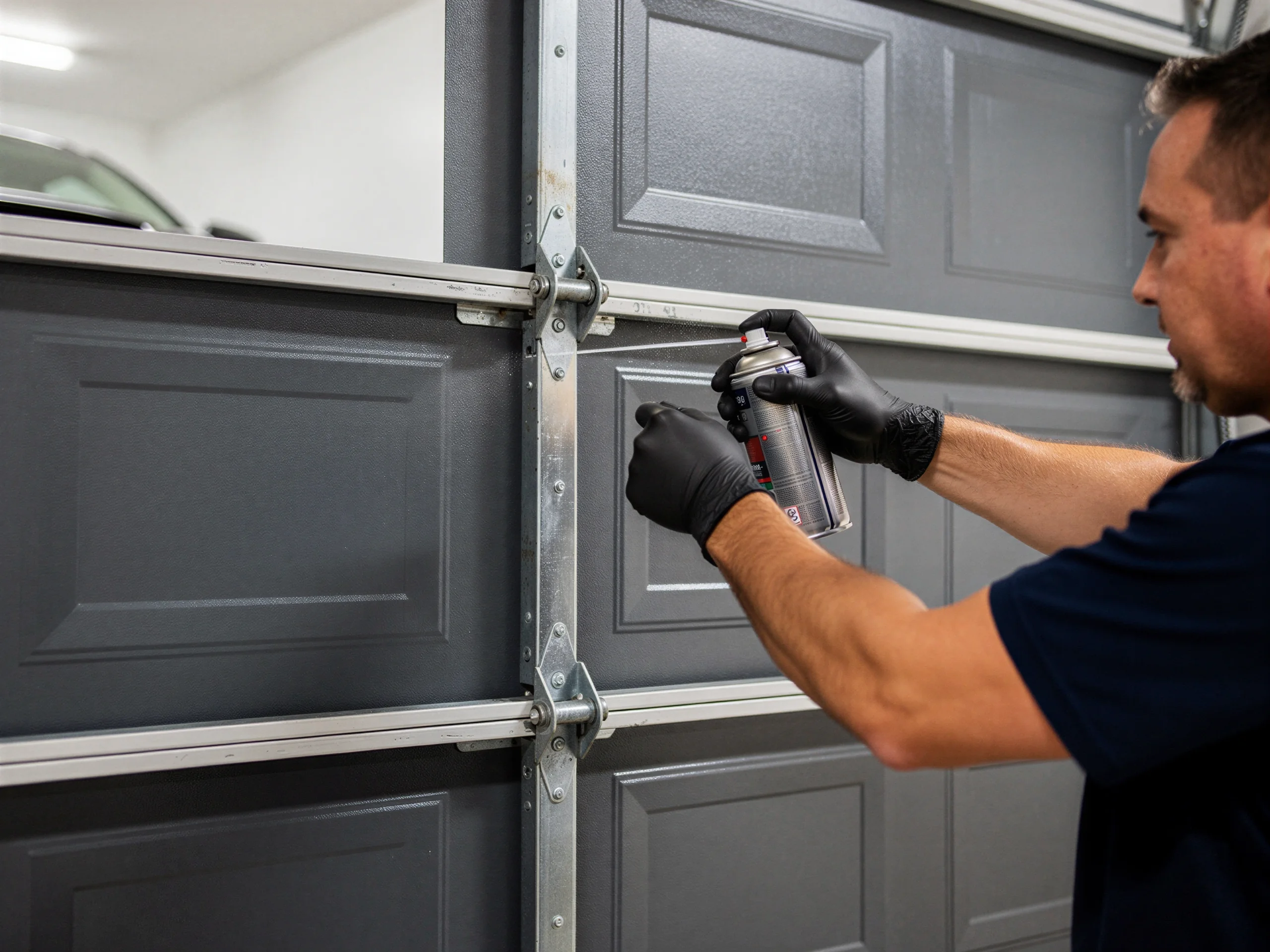
Garage Door Service
Garage door repair and service for Country Club, CA, 14 miles from our Manteca shop. Learn more →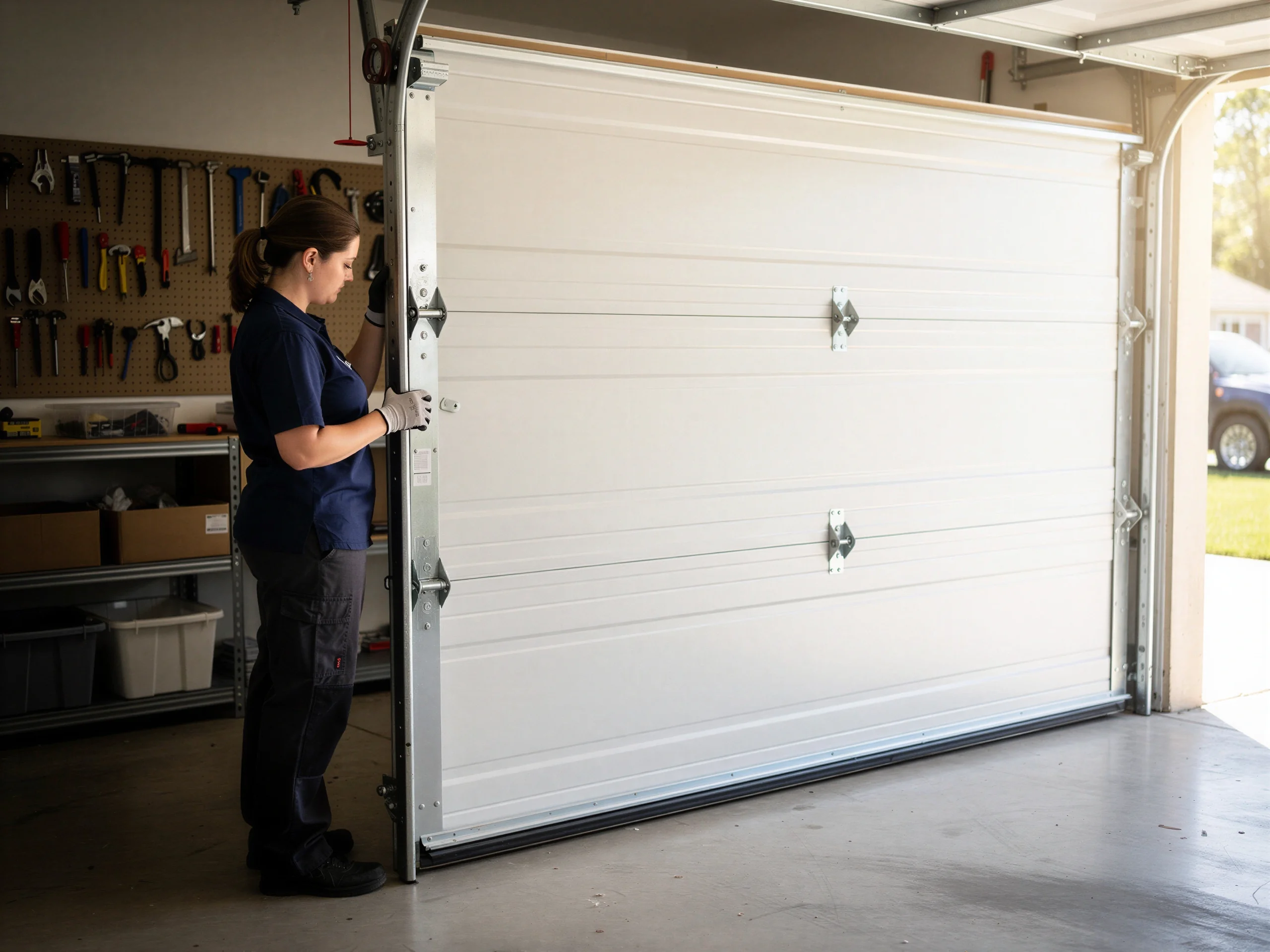
New Door Installation
Country Club, CA has about 3,365 households and homes built mostly in the 1950s-60s. Learn more →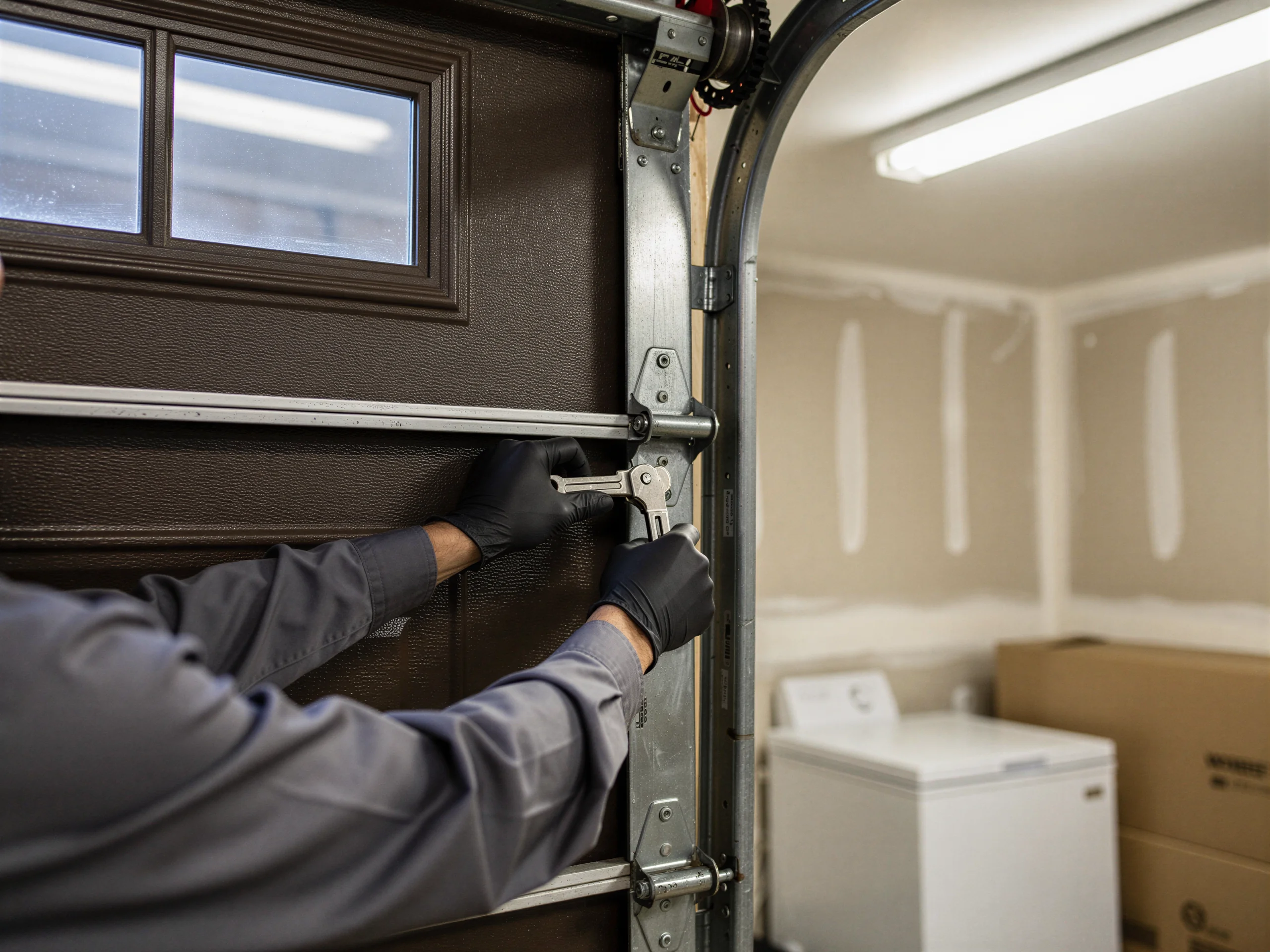
Off Track Repair
Off-track garage door repair for Country Club's 1950s housing stock, serving a $79,506-median community 14 miles from our Manteca shop. Learn more →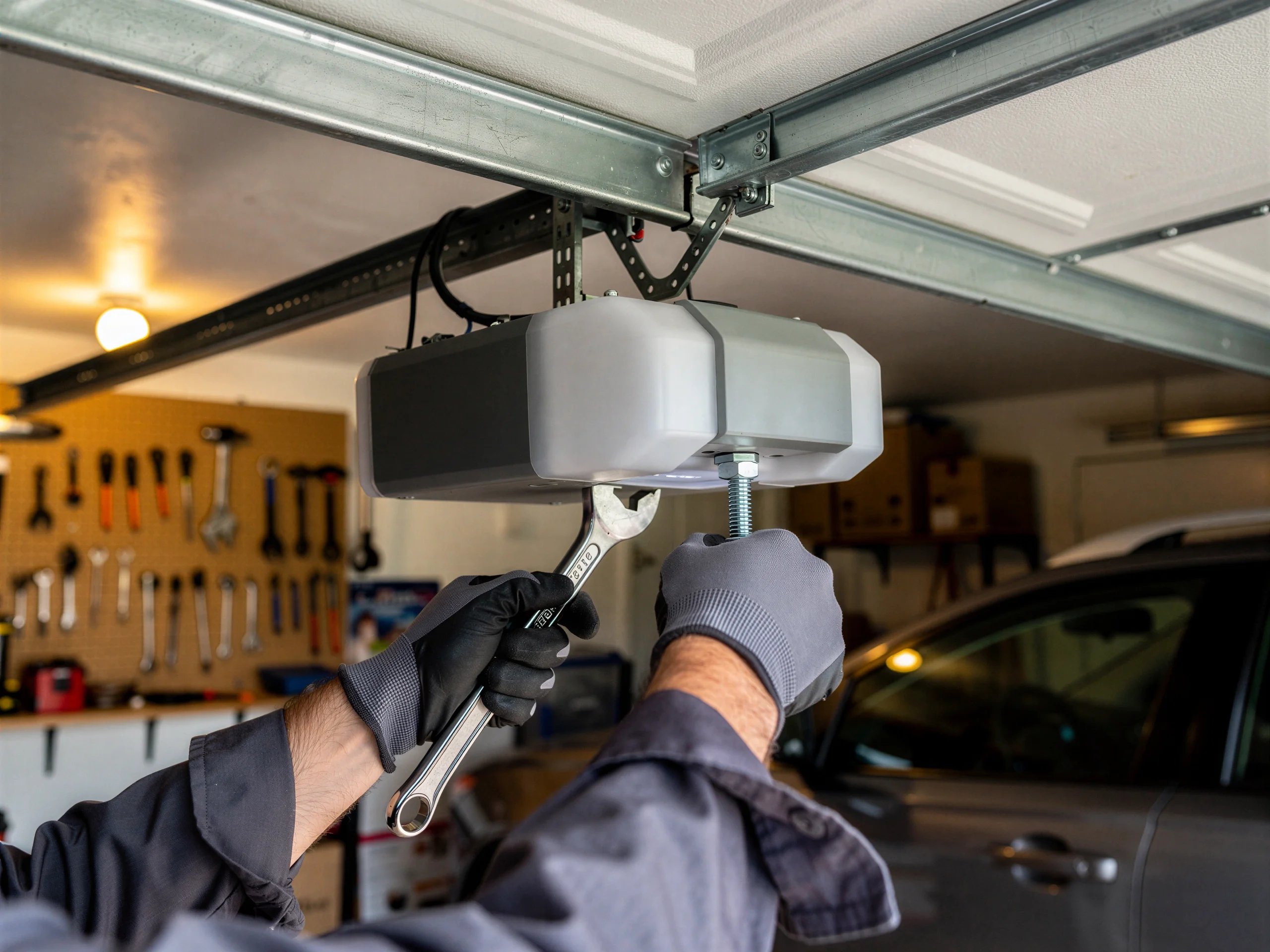
Opener Installation
Country Club homes mostly date to 1956, a decade older than much of Manteca's stock. Learn more →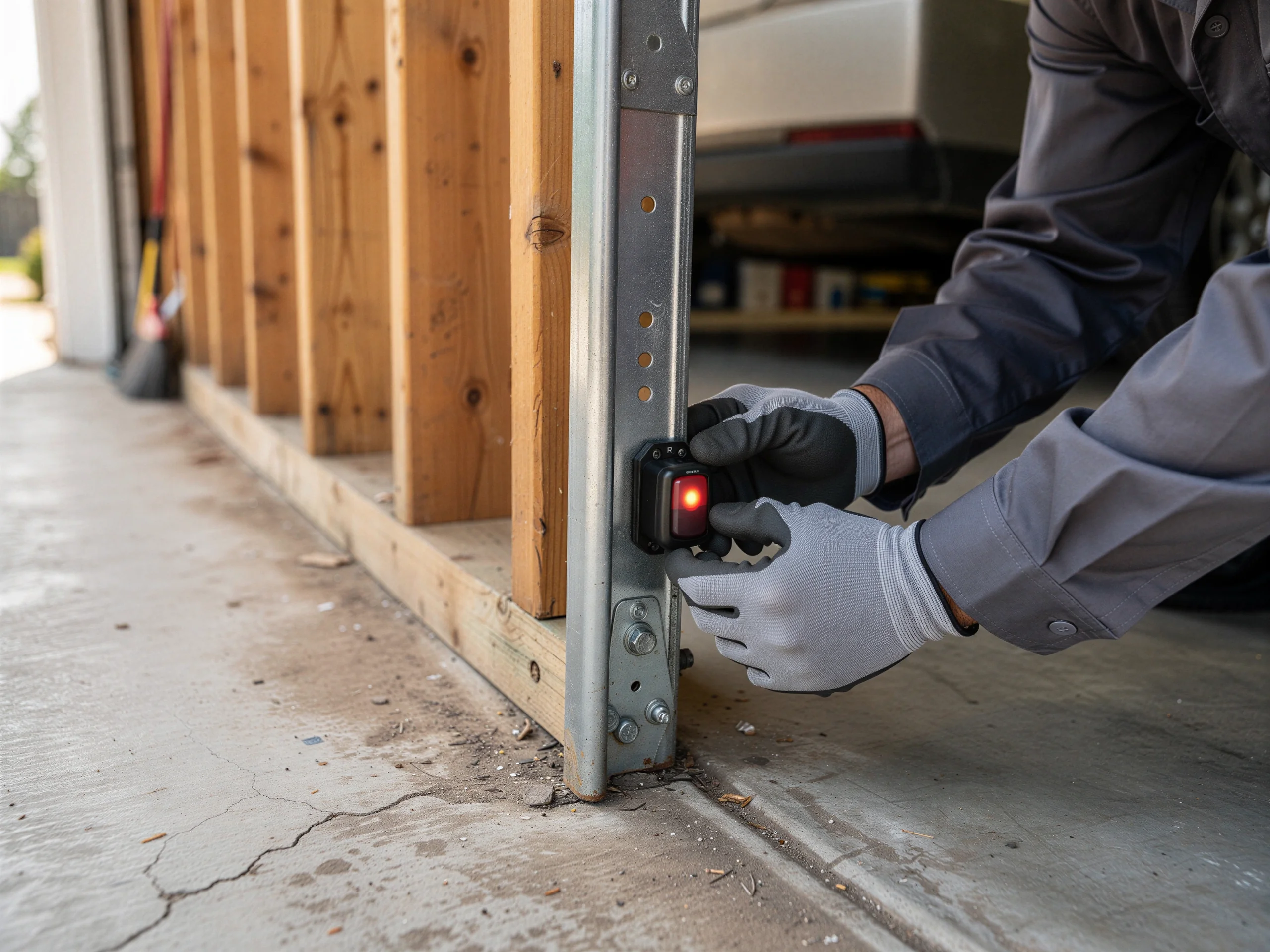
Opener Repair
Garage door opener repair for Country Club, CA homes built mostly in the 1950s. Learn more →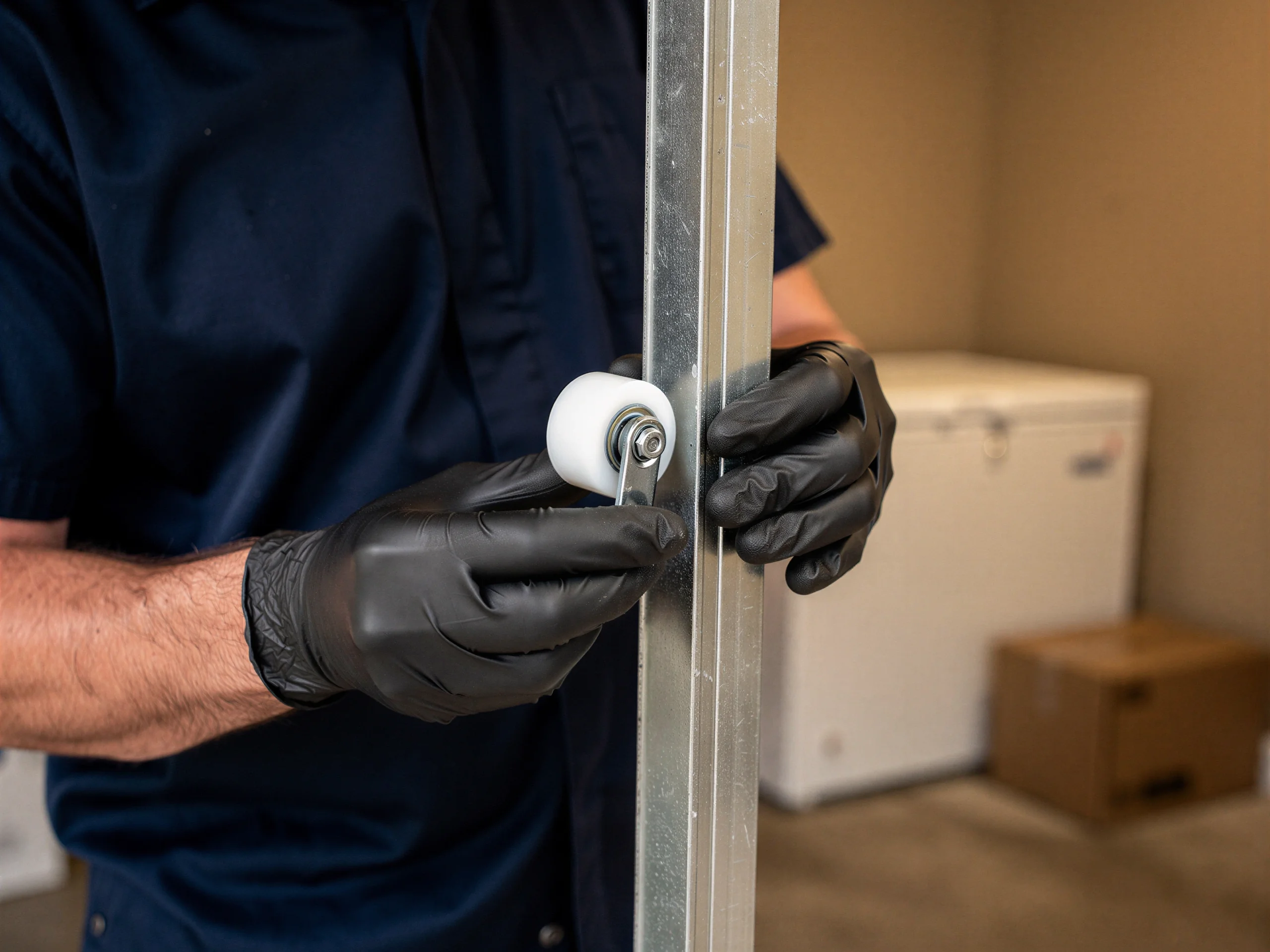
Roller Replacement
Country Club homes built around 1956 still run original steel rollers in steel track. Learn more →Ready when you are
Cracked or dented door panel in Country Club?
Manteca Garage Door Pros repairs and installs garage doors, springs and openers in Manteca, CA and the surrounding area.