Ceres, Manteca
Garage Door Opener Repair for Ceres Homes
Opener trouble in Ceres usually traces to 1980s-era gear-drive units and worn circuit boards. We drive out from Manteca to diagnose and fix them right.
The Symptom
The call we get most from Ceres is an opener that runs the motor but the door doesn't move, or one that reverses partway up for no reason anyone in the house can explain.
Remote takes repeated presses
Sometimes it's a remote that used to work fine and now takes four or five presses before the door responds. That pattern tracks with the age of the housing stock here.
Builder-installed chain drives
Ceres carries a median build year of 1986, a good two decades newer than the 1960s-70s stock across most of this service area. Houses built in the mid-80s mostly came with chain-drive openers installed by the builder, and a lot of those original units, or their first replacements, are still bolted to the ceiling.
Gear wear, motor spinning idle
Circuit boards from that generation weren't built to last forty years, and the gears inside the drive unit wear down to a point where the motor spins without actually pulling the chain. That's a different fault than what we see on older 1960s houses, where the door itself and the spring are usually the problem before the opener is.
What the Repair Takes
First step is figuring out whether the fault is in the logic board, the drive gear, the limit switches, or just a dead capacitor on the motor start.
Stripped gear teeth check
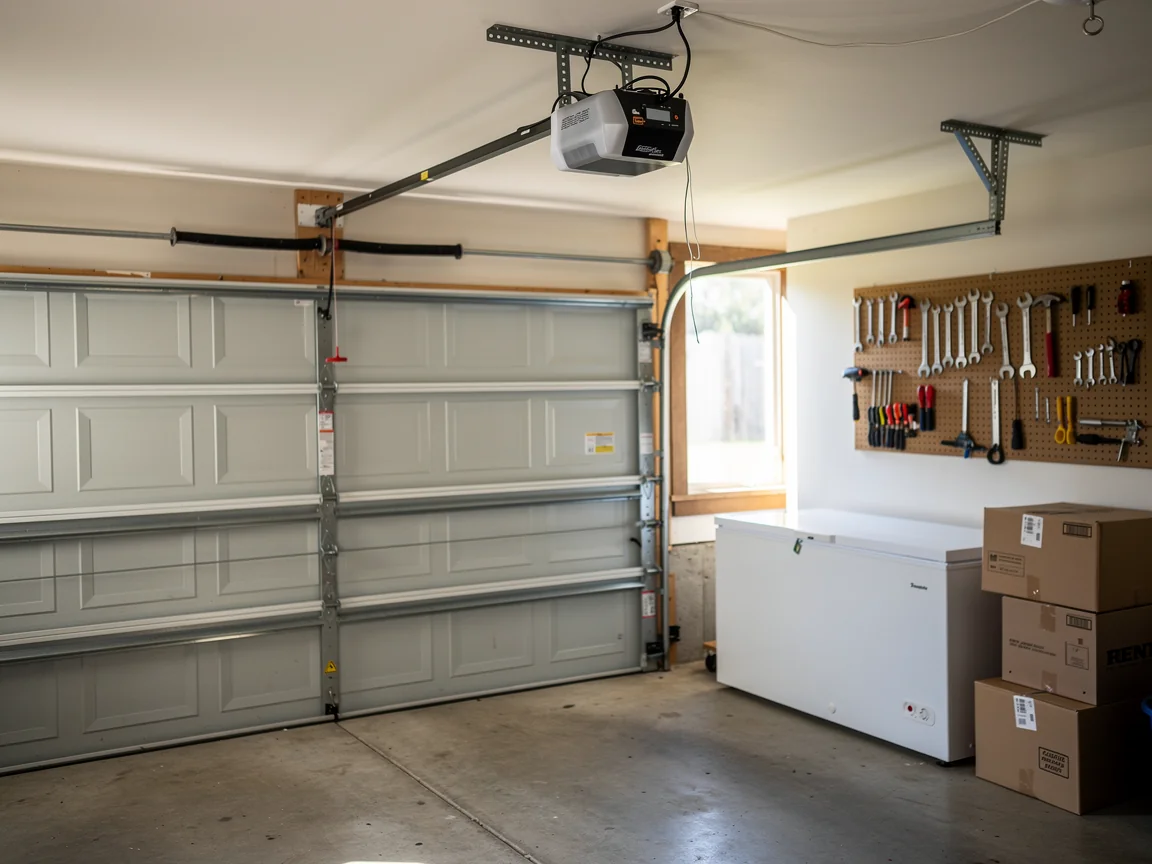
On an 80s-era opener, we open the housing and check the gear for stripped teeth before anything else, since that's the most common failure on units this age.
Swap gear, keep motor
If the gear's gone, we replace it rather than the whole unit, assuming the motor and board still test good. If the board itself has failed, that's usually where repair stops being worth it.
Scarce boards near new price
Boards for openers from this era are getting hard to source, and when one is available, the price can creep close to a new opener with a modern board, better reversing sensors, and a warranty. We'll tell you straight which side of that line your unit falls on before we start any work, not after.
Doing It Yourself
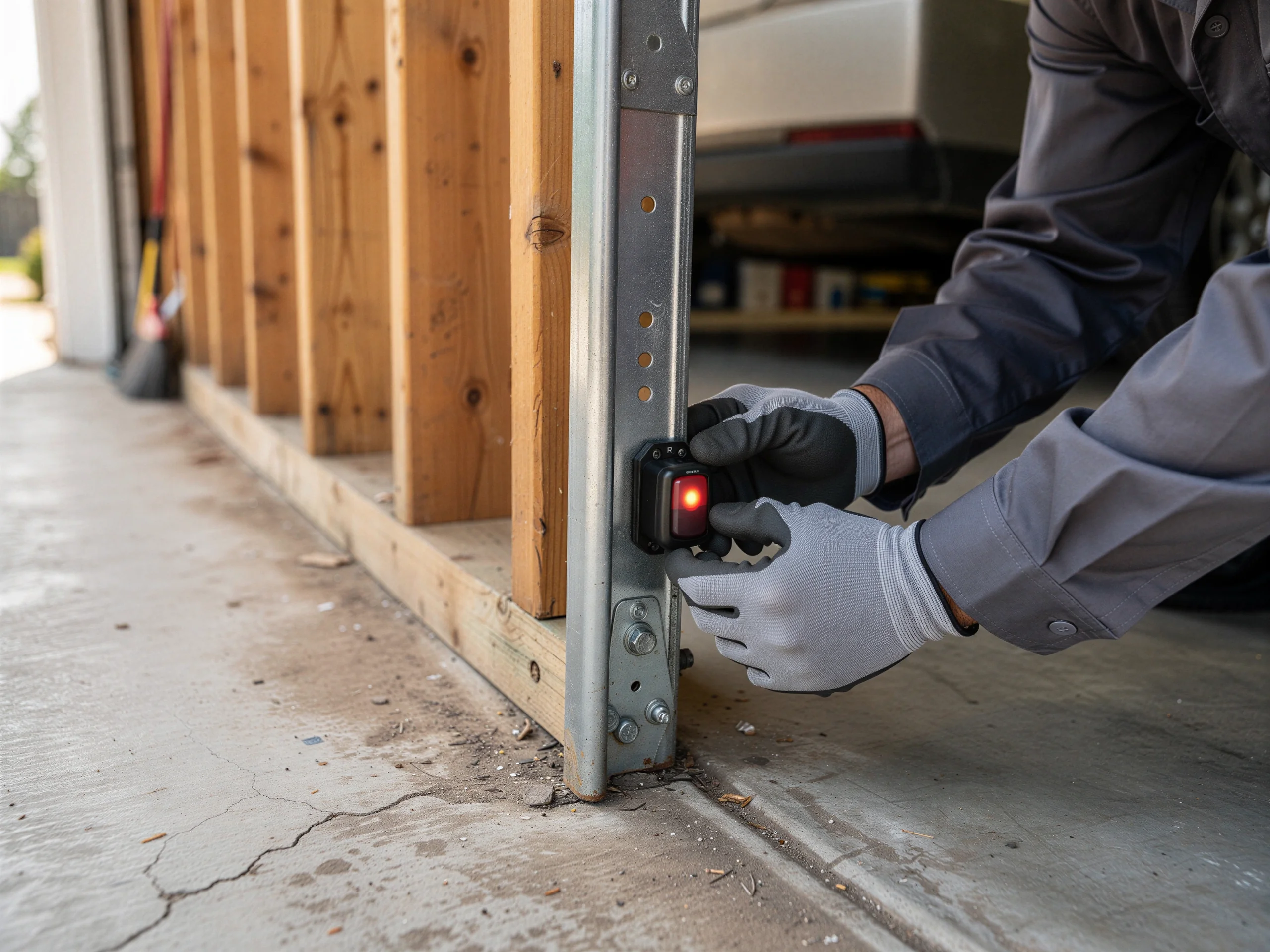
Checking the obvious stuff costs nothing: make sure the wall switch and remote both fail, not just one, since that points you toward the opener rather than a dead battery. Look at the safety sensors at the bottom of the track - if the little lights aren't both solid, a misaligned sensor can mimic a dead opener by refusing to close the door at all.
Beyond that, we'd rather you didn't open the drive housing yourself. The travel limit and force settings on a chain-drive unit this age are often set by hand with small dials or screws, and getting them wrong can make a door slam down instead of easing shut, which is a real hazard with kids or pets around. If the sensor check doesn't fix it, that's the point to call rather than keep guessing.
What Can Go Wrong
The worst outcome with an older opener isn't that it stops working - it's that it keeps half-working. A door that sticks the belief that pressing the button long enough will eventually catch, while the gear slowly grinds itself to nothing, usually ends with the motor burning out at the least convenient time. We'd rather catch the stripped gear or the clicking relay before that happens than replace a seized motor on an emergency call.
Wiring is the other thing worth a second look on houses from this era. Openers installed in the mid-80s sometimes share a circuit that's been added to over the years, and a loose connection at the outlet or a frayed low-voltage wire to the wall switch can look exactly like a board failure. We check that before we tell anyone they need a new board.
Booking a Visit
We cover Ceres out of our Manteca shop, about 20 miles up the road, same as we do for Lathrop and Ripon a few minutes closer and Escalon or Riverbank further out.
Symptom questions before dispatch
There's no branch office in Ceres and we're not going to pretend there is - every job here means a truck making the drive, so when you call we'll ask enough about the symptom up front to bring the right parts the first time.
Repair over replacement
With 13,757 households in town and a median income of $76,862, most of the opener work we see here is straightforward repair rather than full replacement. We'll tell you on the call, or at the latest after a look at the unit, whether that's the likely outcome for yours. See our full list of garage door work in town at /ceres/garage-door-service/.
How Long You Are Without the Door
A stripped gear or a bad capacitor is usually a same-visit fix once we're on site, since those are common parts we carry on the truck. A board replacement on an opener this old is the one that can stretch things out, because boards for 1980s-era units aren't something we keep stocked in volume, and we may need a day or two to get the right one in.
In the meantime the door can usually still be run by hand, chain release pulled, which isn't comfortable for daily use but keeps you from being locked out of the garage while parts come in. If replacement turns out to make more sense than repair, that swap happens in a single visit, which is often faster than waiting on an obsolete board.
Questions
Common questions
Why does my opener run but the door won't move?
On openers from the mid-80s this is almost always a stripped drive gear inside the motor housing - the motor spins, but the plastic gear that pulls the chain or belt has worn its teeth down and can't grip anymore. It's a common failure on units original to houses built around 1986, and usually a straightforward gear swap rather than a full opener replacement.
Is it worth repairing a 1980s opener instead of replacing it?
Depends what's failed. A gear, capacitor, or sensor is cheap to fix and worth doing. A dead circuit board is the one where repair and replacement cost gets close, since boards for openers this old are harder to find. We'll tell you which side of that line your unit falls on before doing the work.
Do you have a branch in Ceres?
No. We run this out of our Manteca shop, about 20 miles away, and send a truck out for every Ceres call. There's no local depot here, so we ask a few questions up front about the symptom to bring the right parts on the first trip.
Can I keep using the garage door while I wait for a part?
Usually yes. Most openers have a manual release - a cord hanging from the trolley - that lets you lift and lower the door by hand while you wait on a part like an older circuit board that isn't always in stock. It's not convenient for daily use, but it keeps you from being shut out of the garage.
Explore more
More Services in Ceres
Garage Door Repair
Most Ceres homes went up around 1986, meaning steel sectional doors and torsion springs, not the older stock common closer to Manteca. Learn more →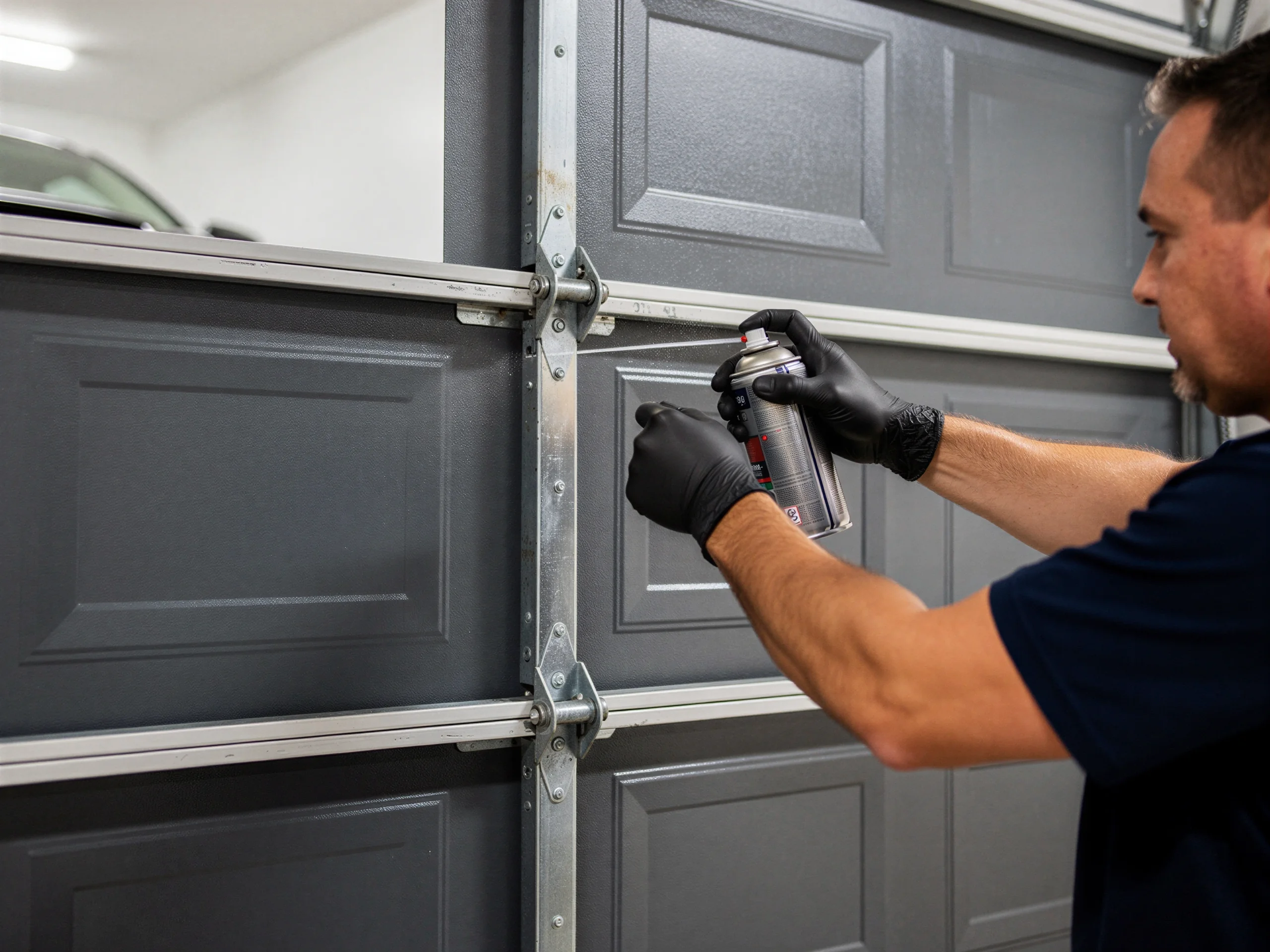
Garage Door Service
Garage door repair and service for Ceres homes, most built in the 1980s. Learn more →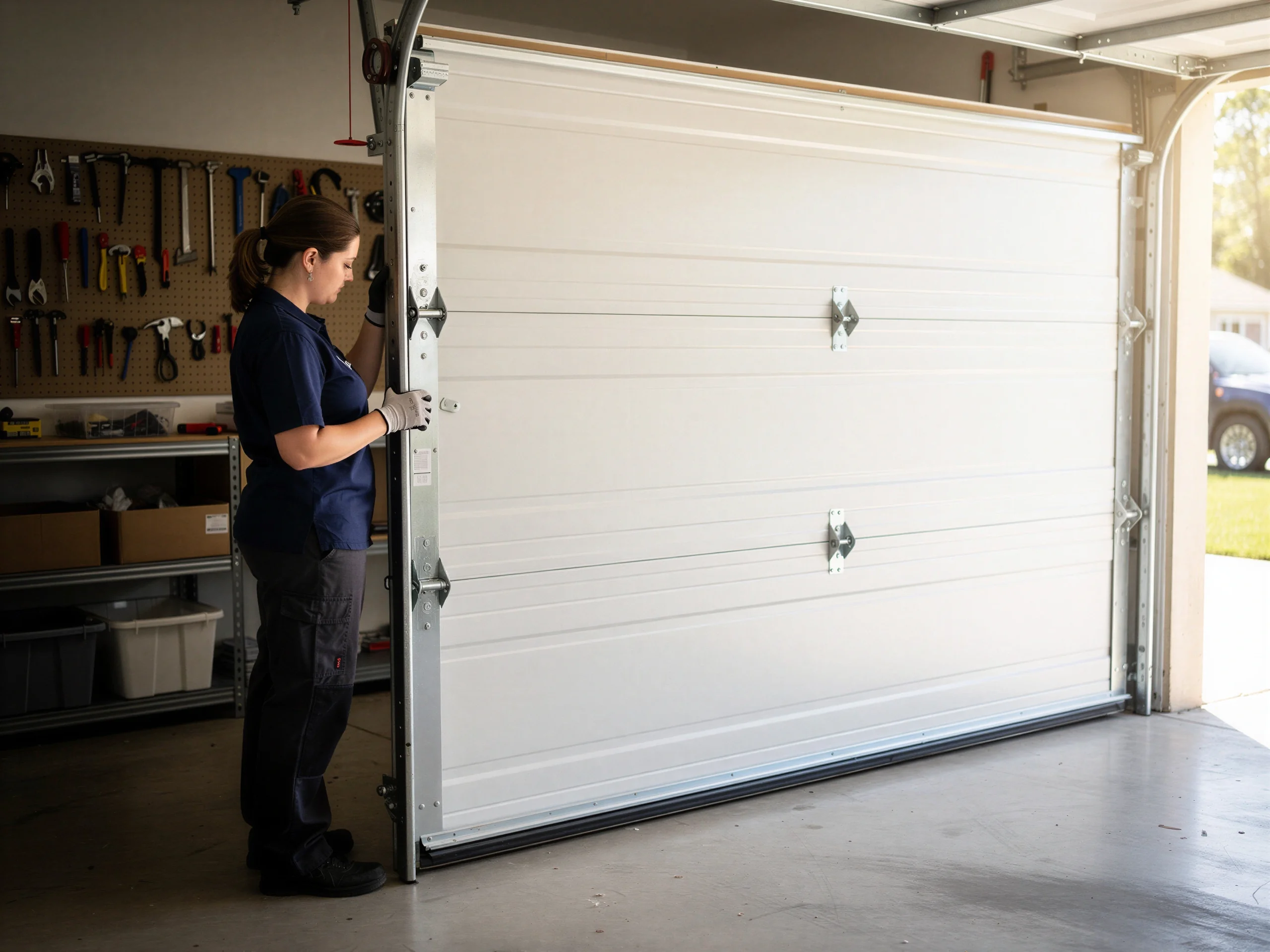
New Door Installation
Ceres has 13,757 households and mostly 1980s construction, newer than much of the service area. Learn more →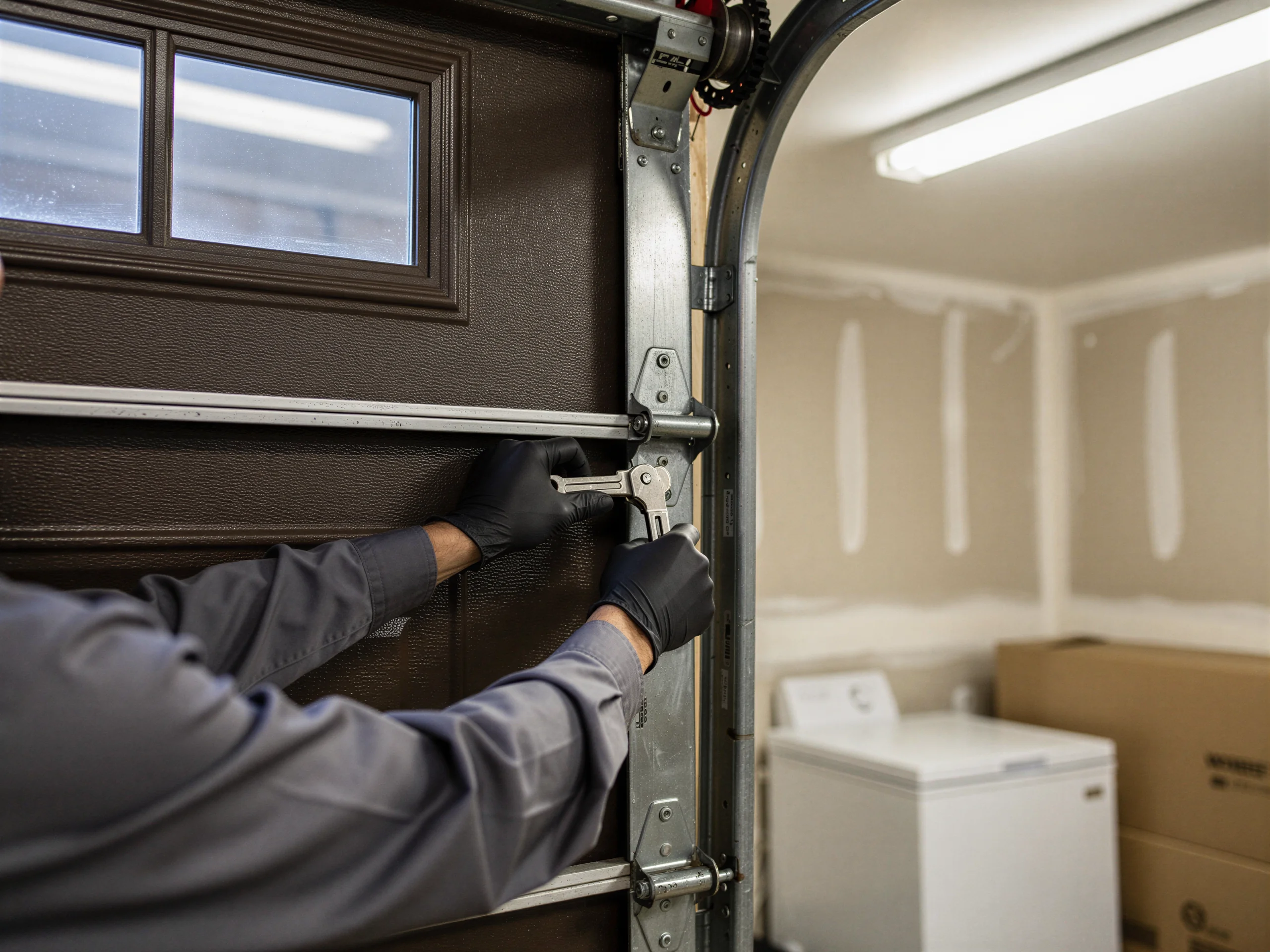
Off Track Repair
Ceres homes run newer than most of the territory, which changes what an off-track door costs to fix. Learn more →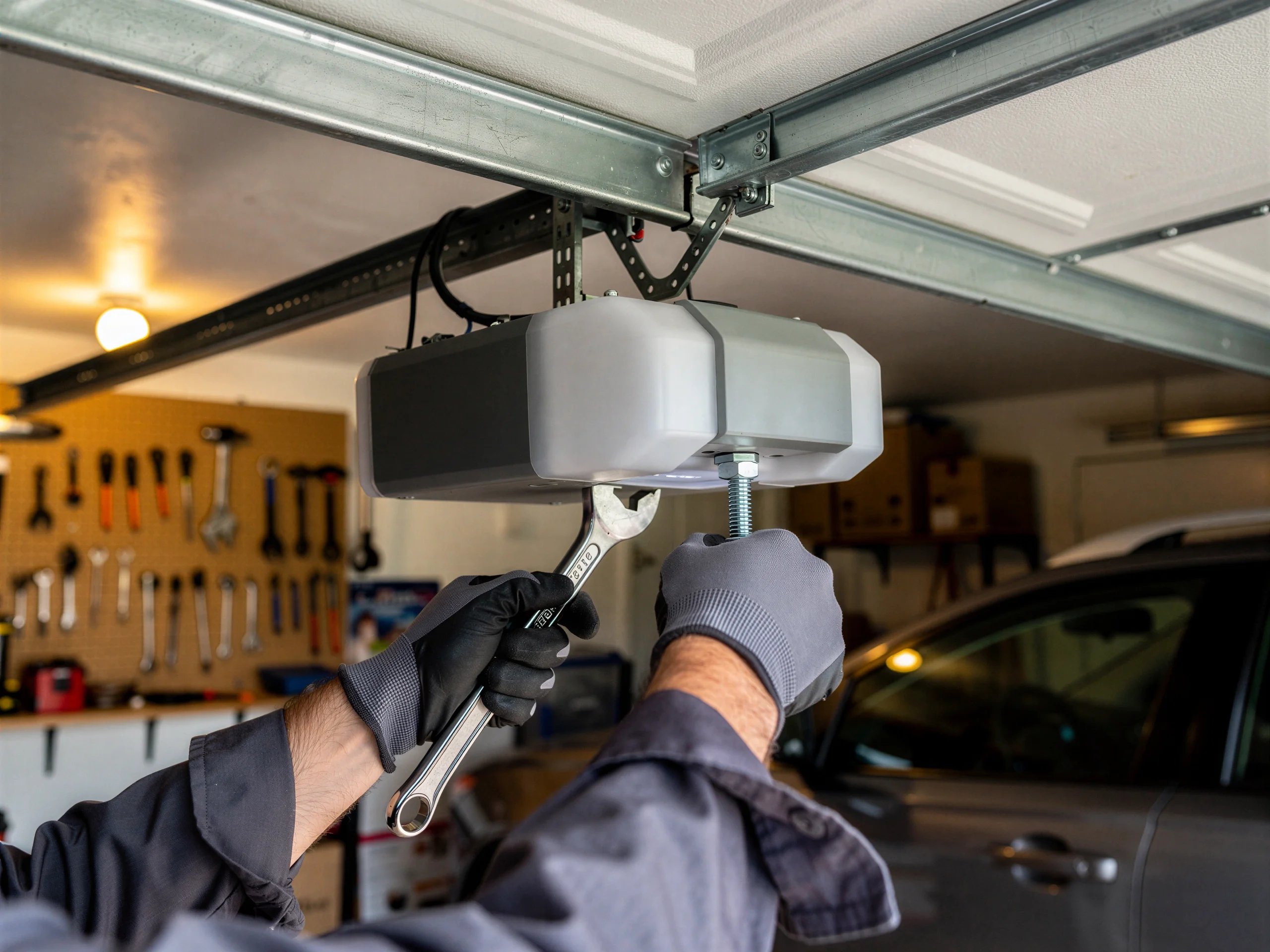
Opener Installation
Ceres homes mostly date to the mid-1980s, later than the rest of our service area. Learn more →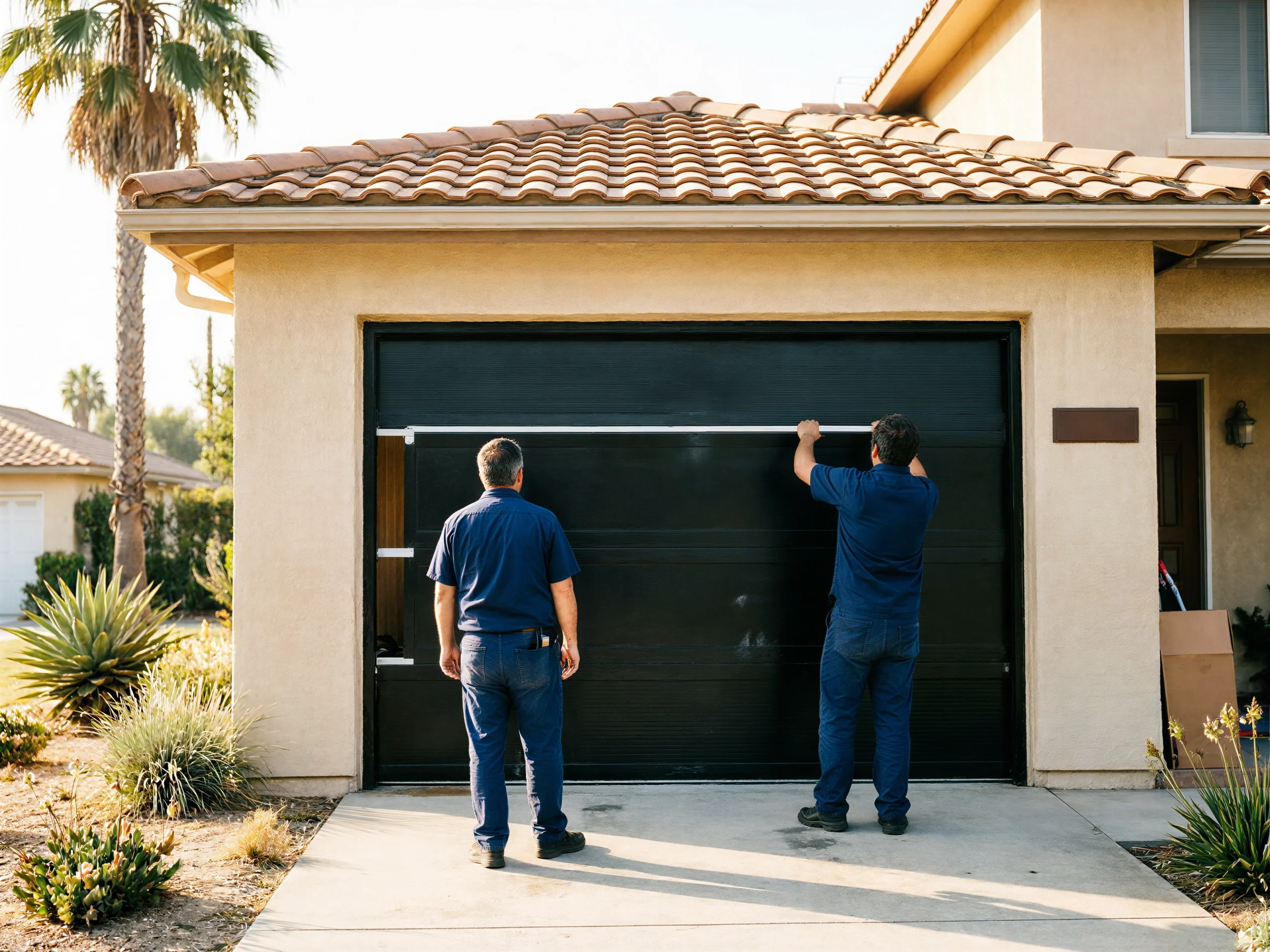
Panel Replacement
Ceres homes built around 1986 usually still carry their original door panels. Learn more →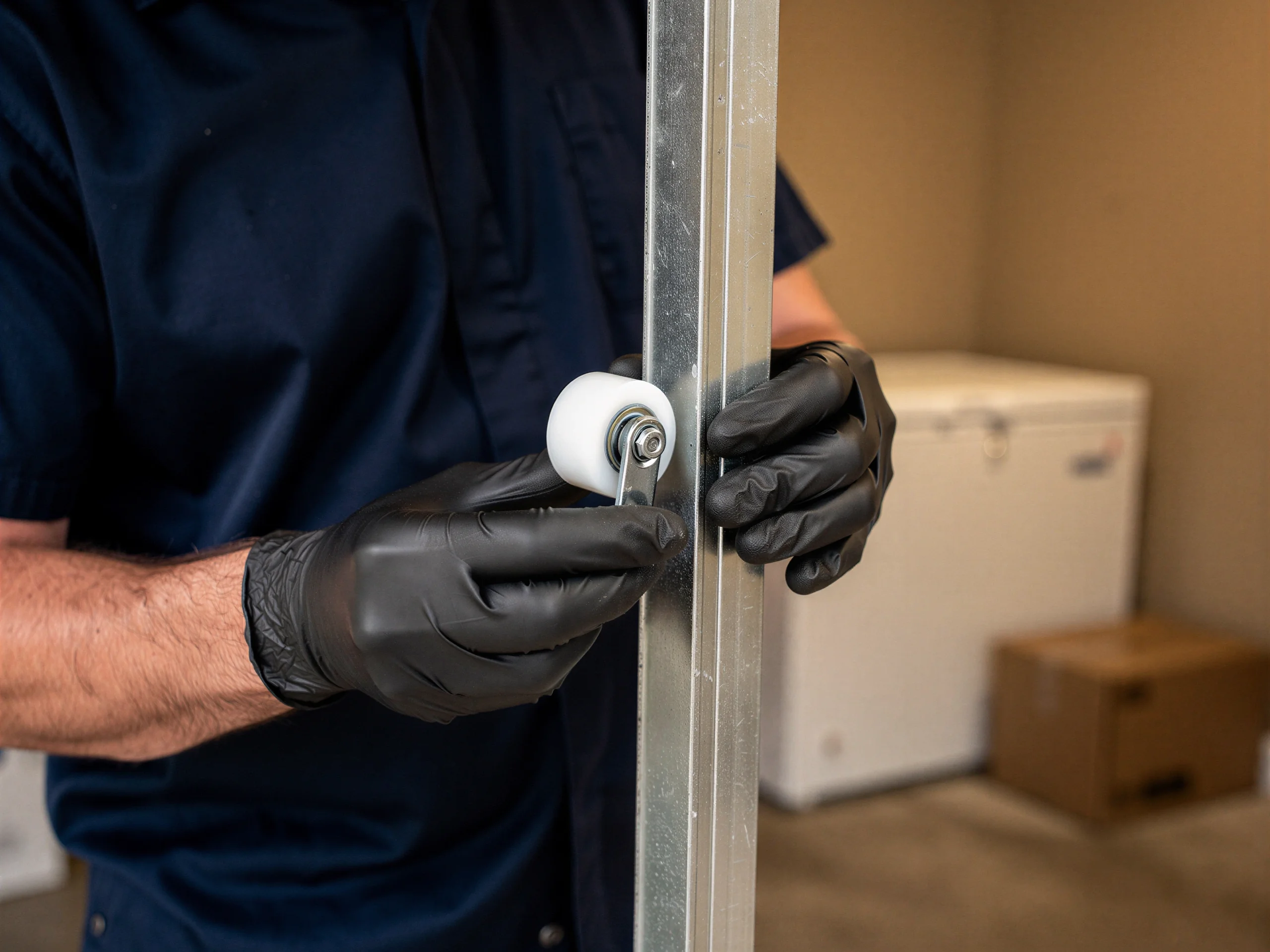
Roller Replacement
Ceres homes built mostly after 1986 run steel sectional doors on galvanized or nylon rollers. Learn more →Ready when you are
Garage door opener acting up in Ceres?
Manteca Garage Door Pros repairs and installs garage doors, springs and openers in Manteca, CA and the surrounding area.